
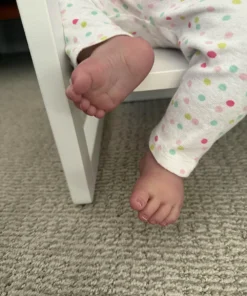
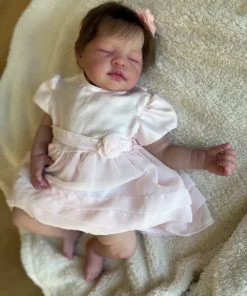
Sarah
£3,400.00
Sarah Details
Head Material: Silicone
Body Material: Cloth
Limb Material: Silicone
Age: Older Baby (3-12 mo)
Gender: Your Choice
Arms: Full Length
Legs: Full Length
Edition: Open Edition
Eyes: Asleep
Eye Color: Other
Lashes: Rooted
Hair: Rooted
Hair Material: Mohair
Paint: Silicone Paint
Weighting: Fine Glass Beads
Weighting: Polyfil
Weighting: Baby Fat Pellets
Skin Color: Olive
Ethnicity: White / Caucasian
Pacifier: Included
Pacifier Type: Regular Pacifier
Drink and Wet: No
Smoke Free Environment: Yes
Pet Free Environment: Yes
Category: Reborn Baby->Fully Reborned
Seller: Is the artist
Purchased From: Macpherson
Availability: Ready to be shipped
| Kit | Sarah |
| Length | 21″ (53.34 cm) |
| Weight | 8 pound 12 oz |
| COA | Yes |
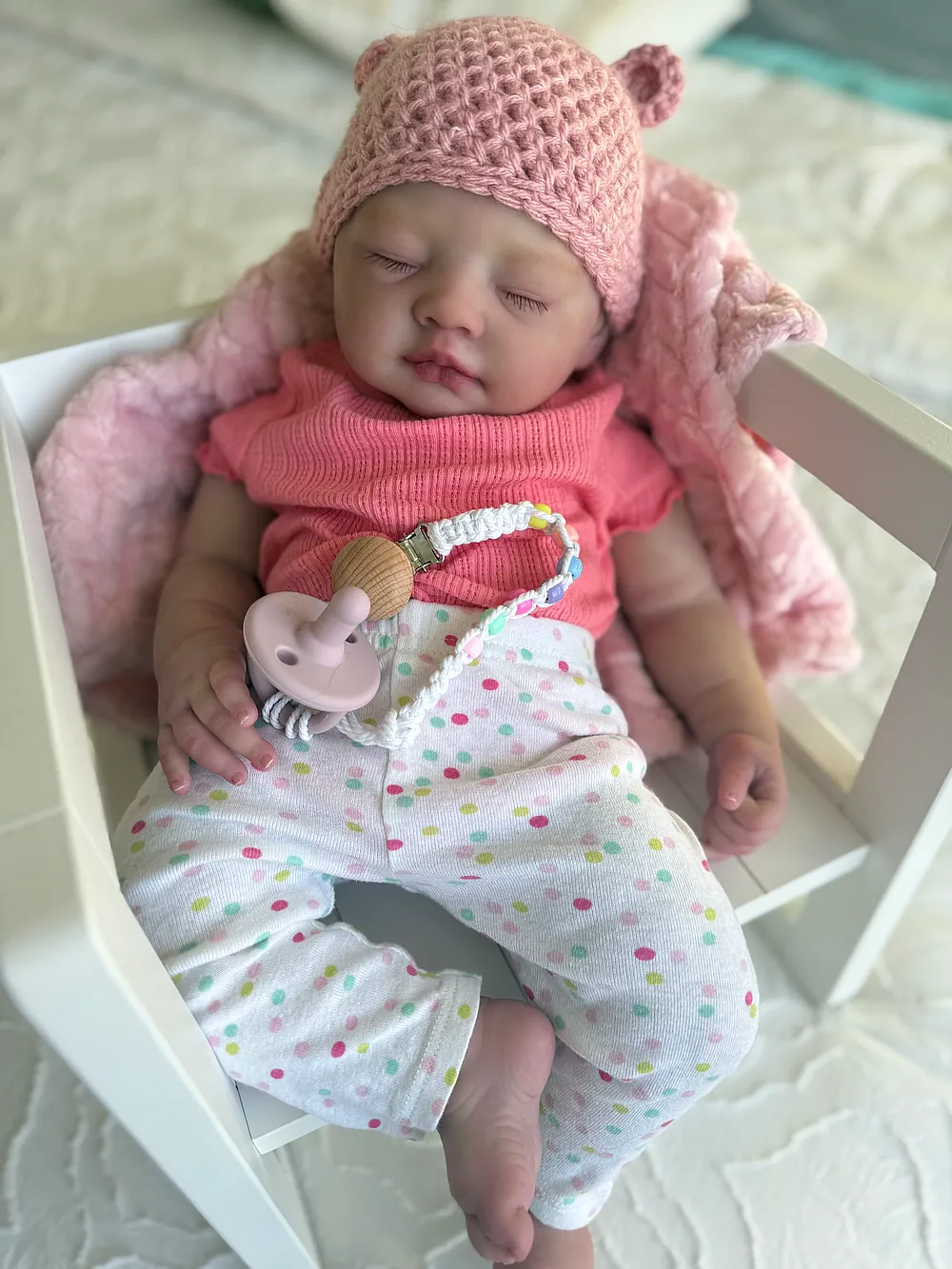
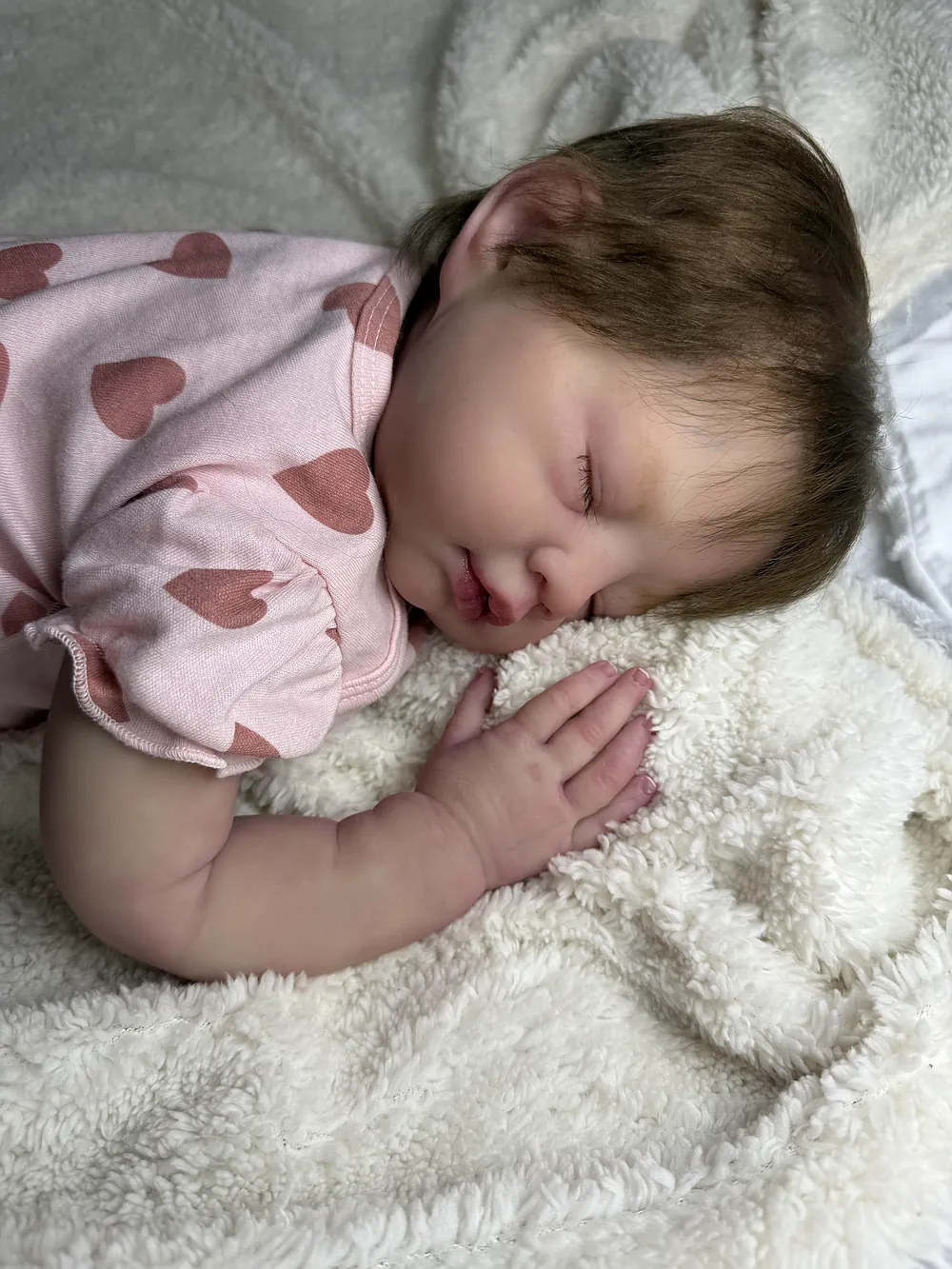
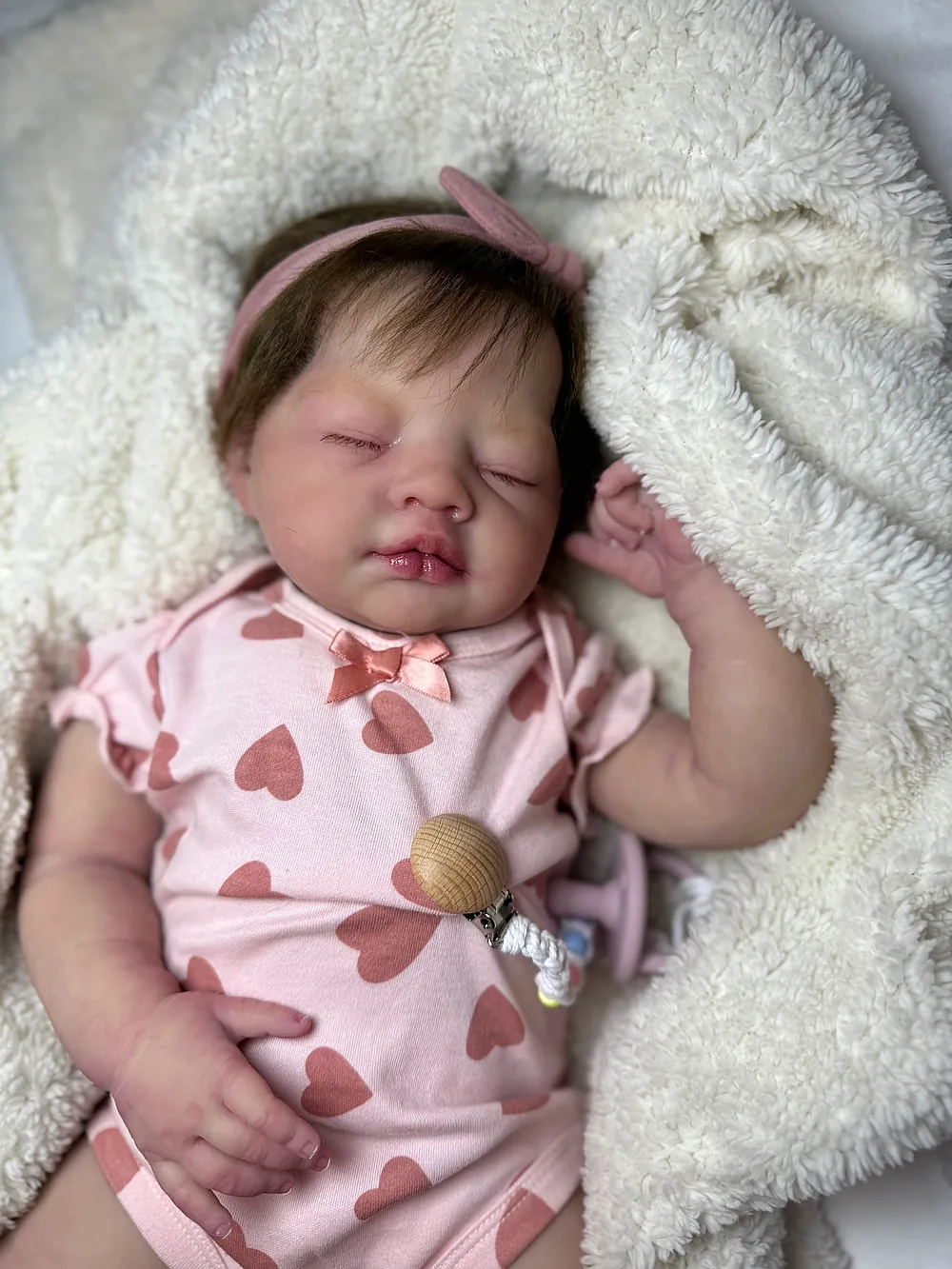
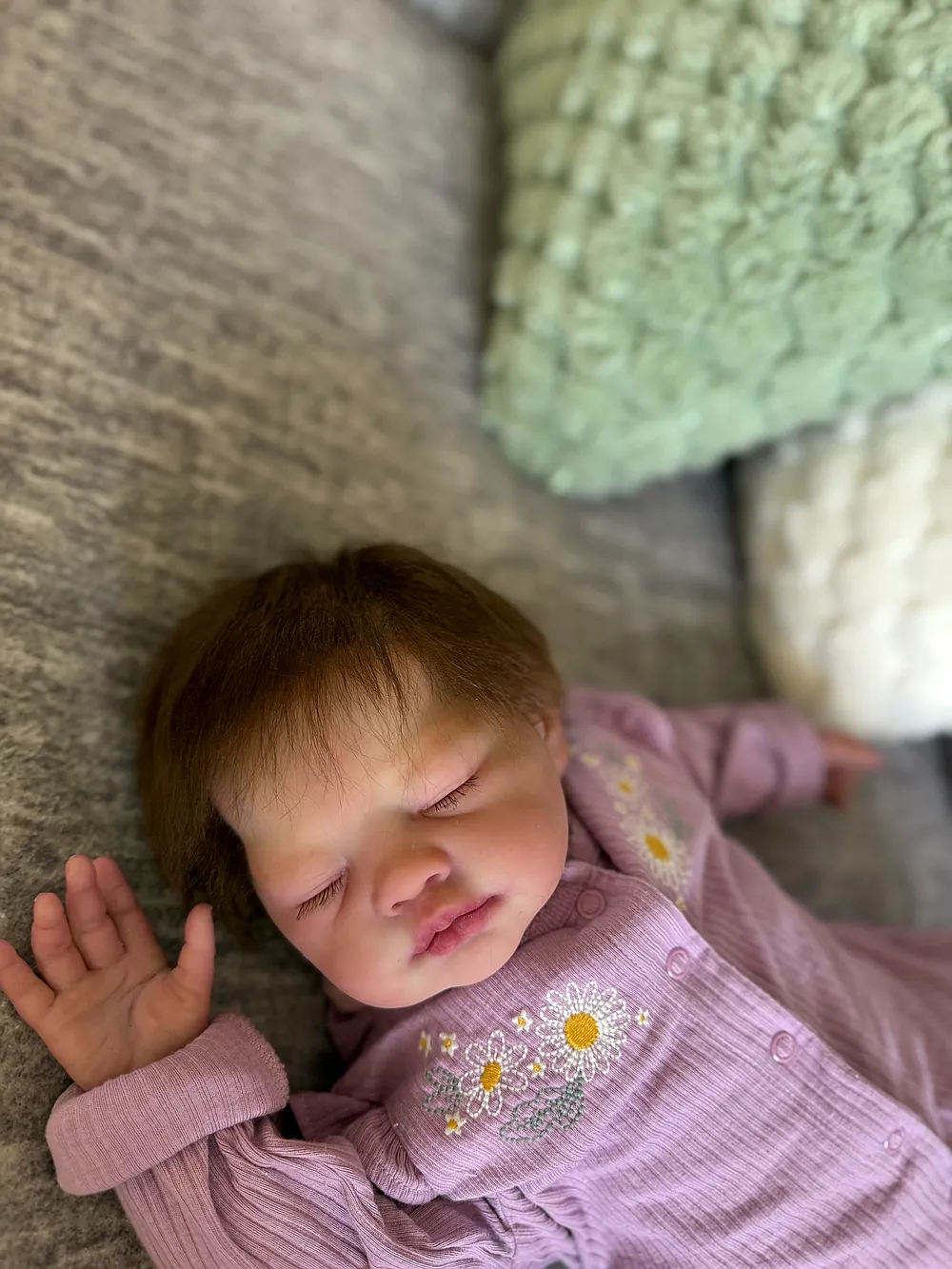
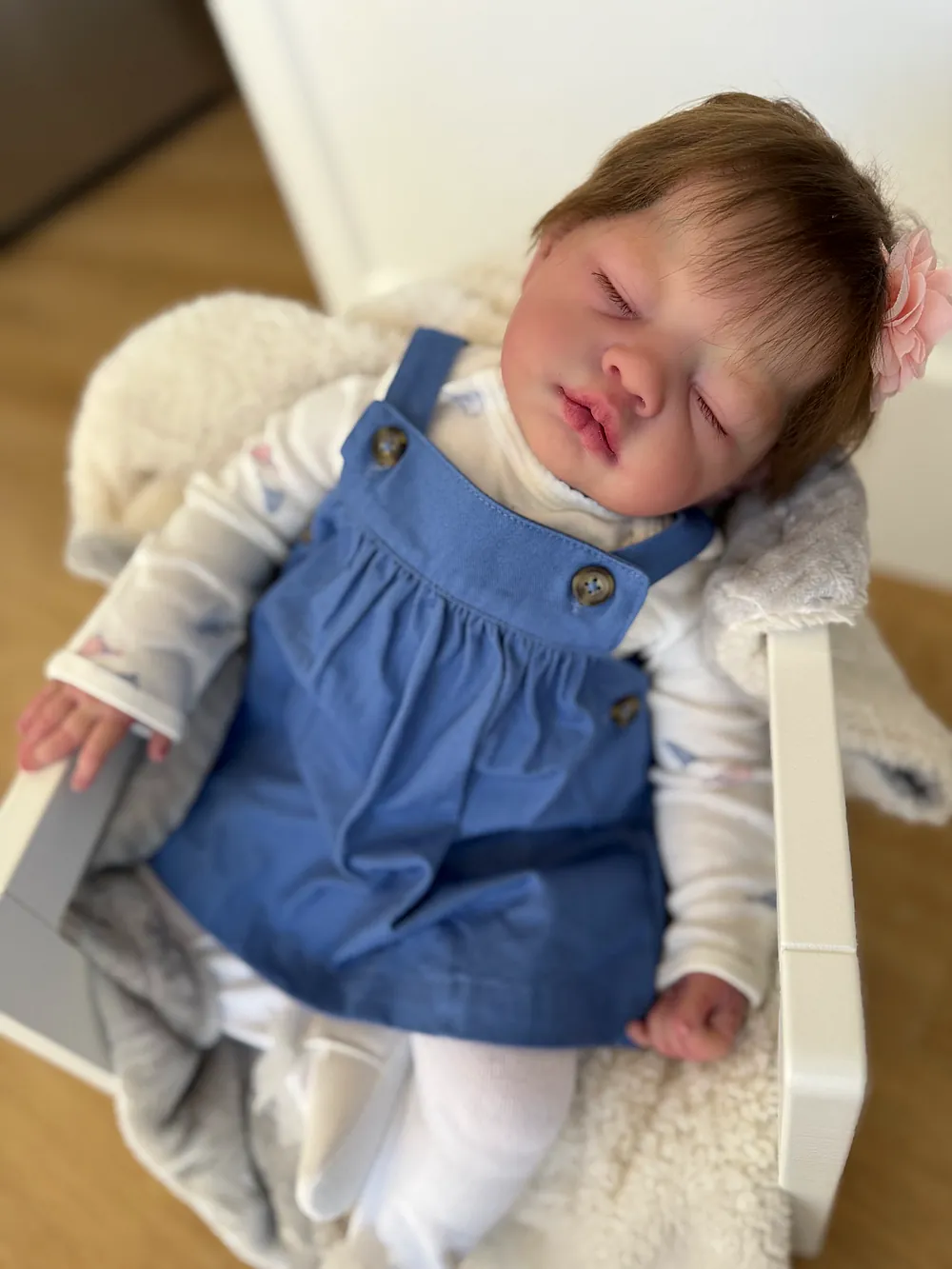
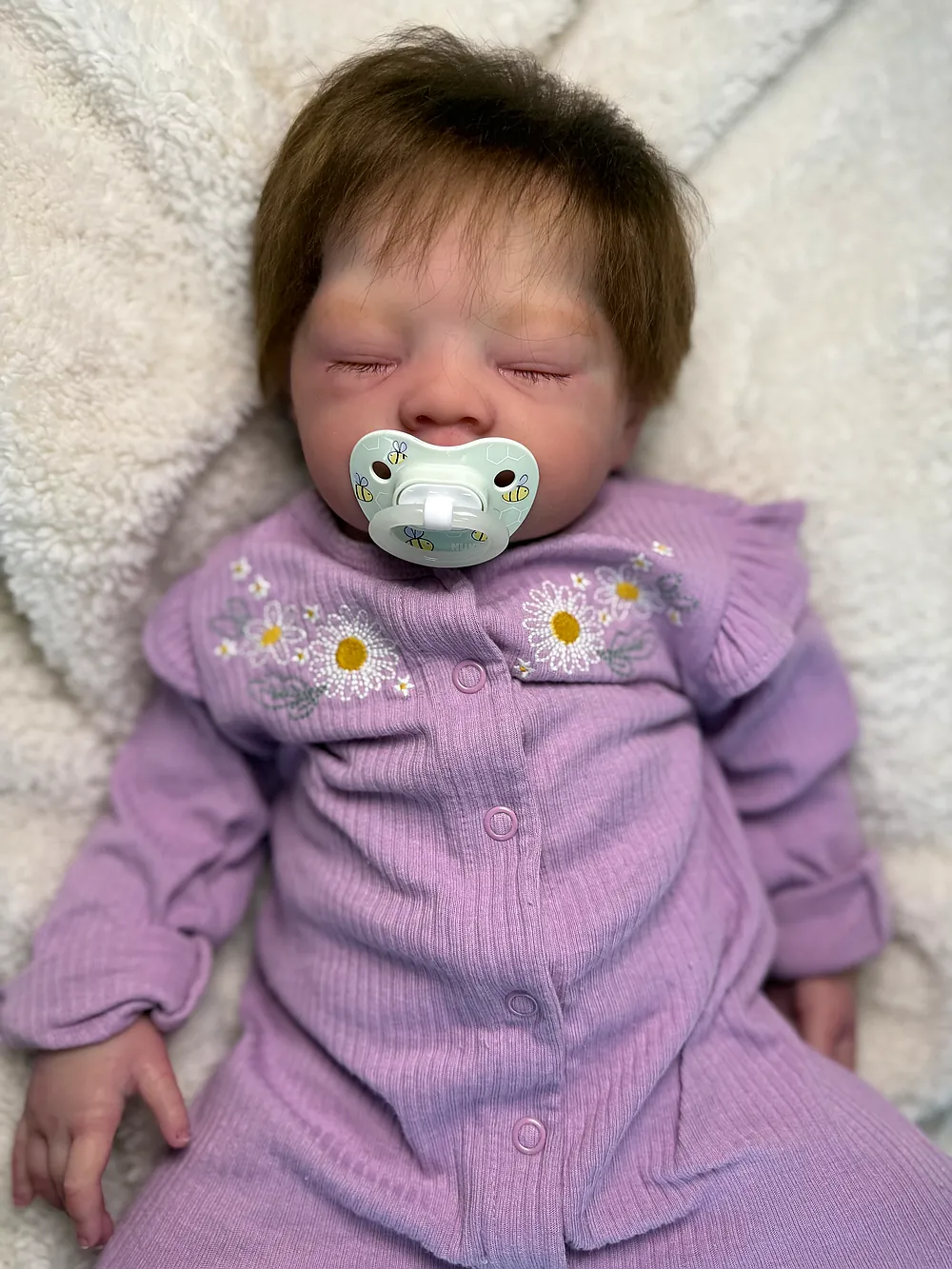
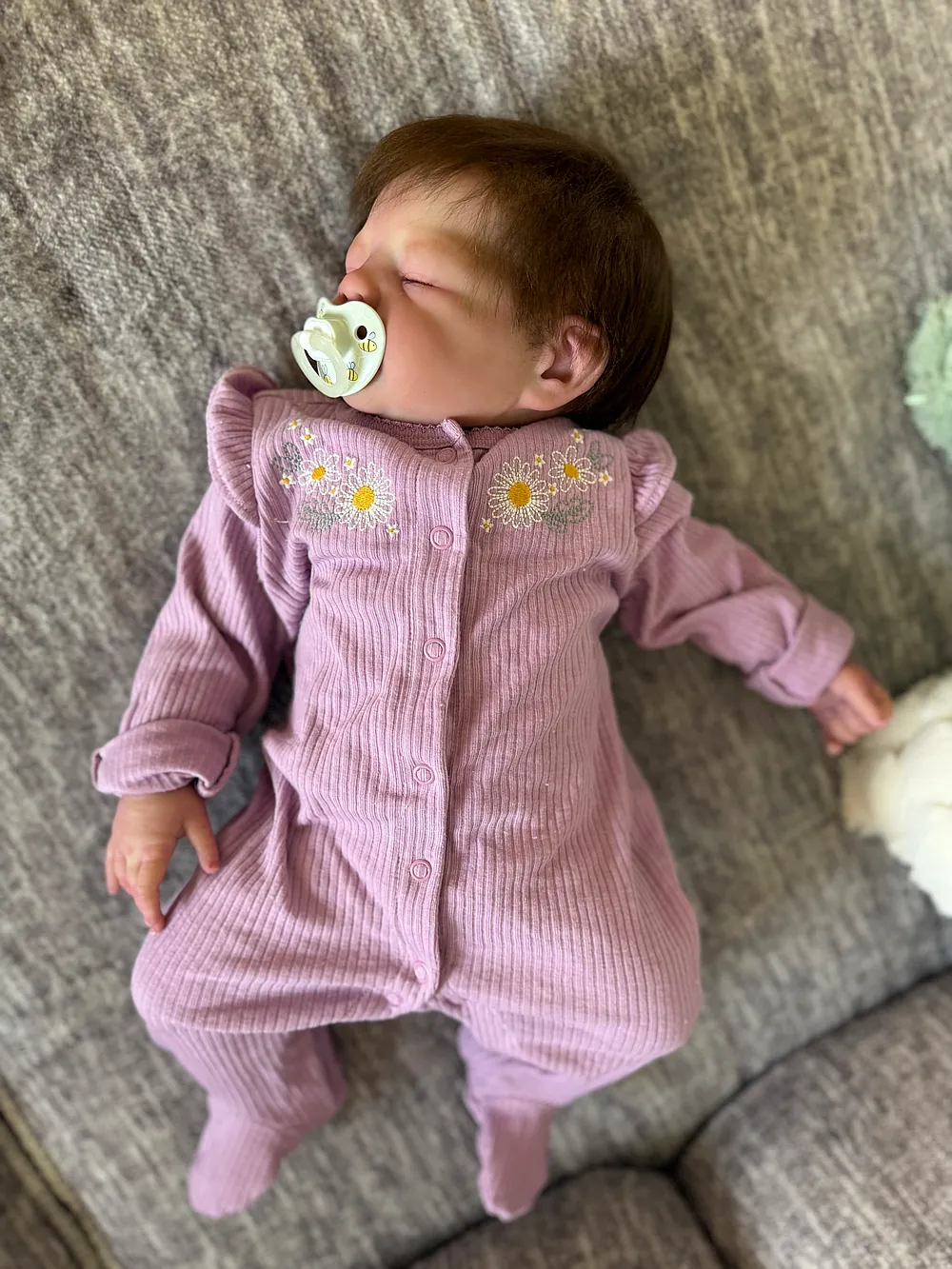
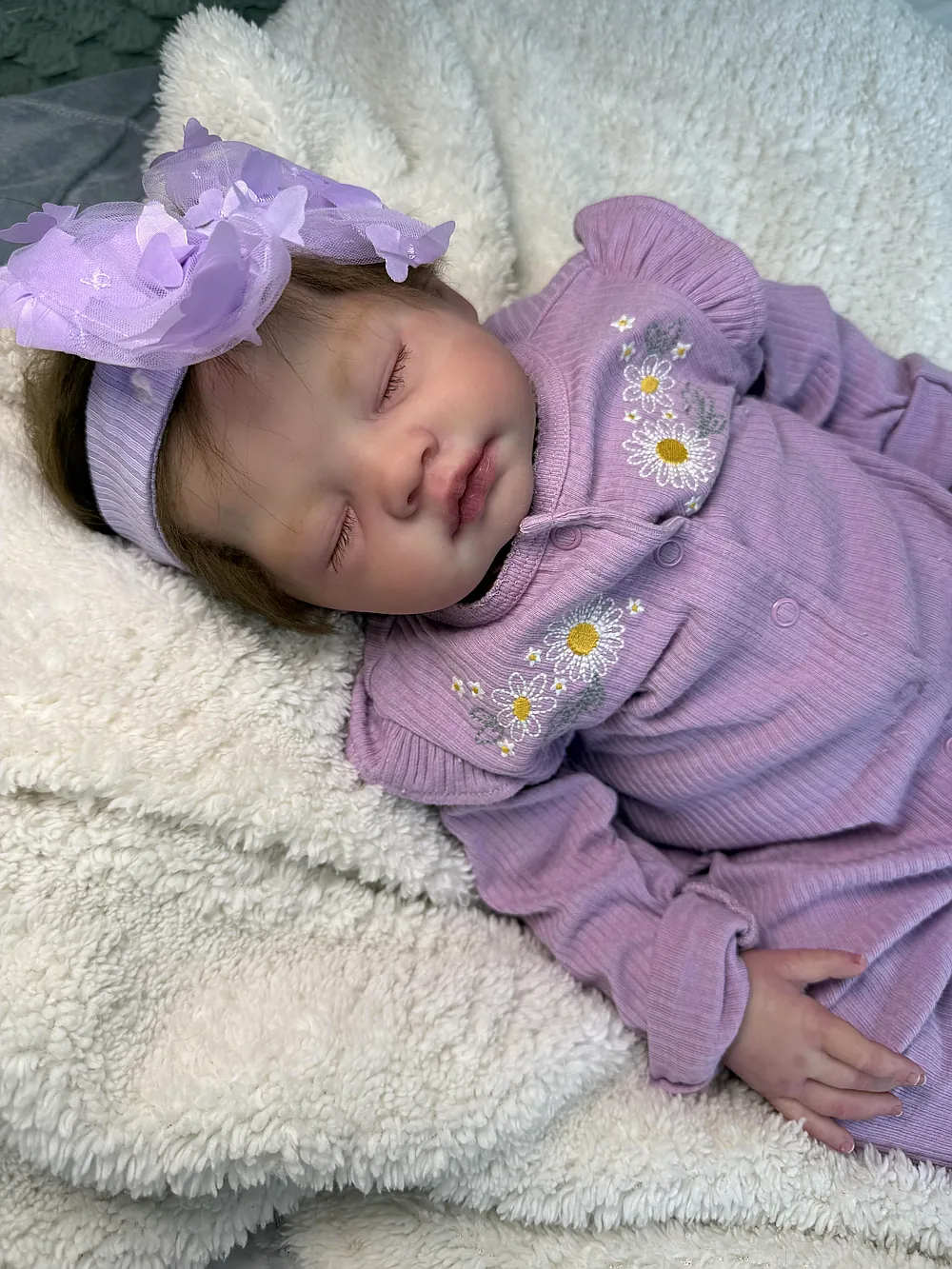
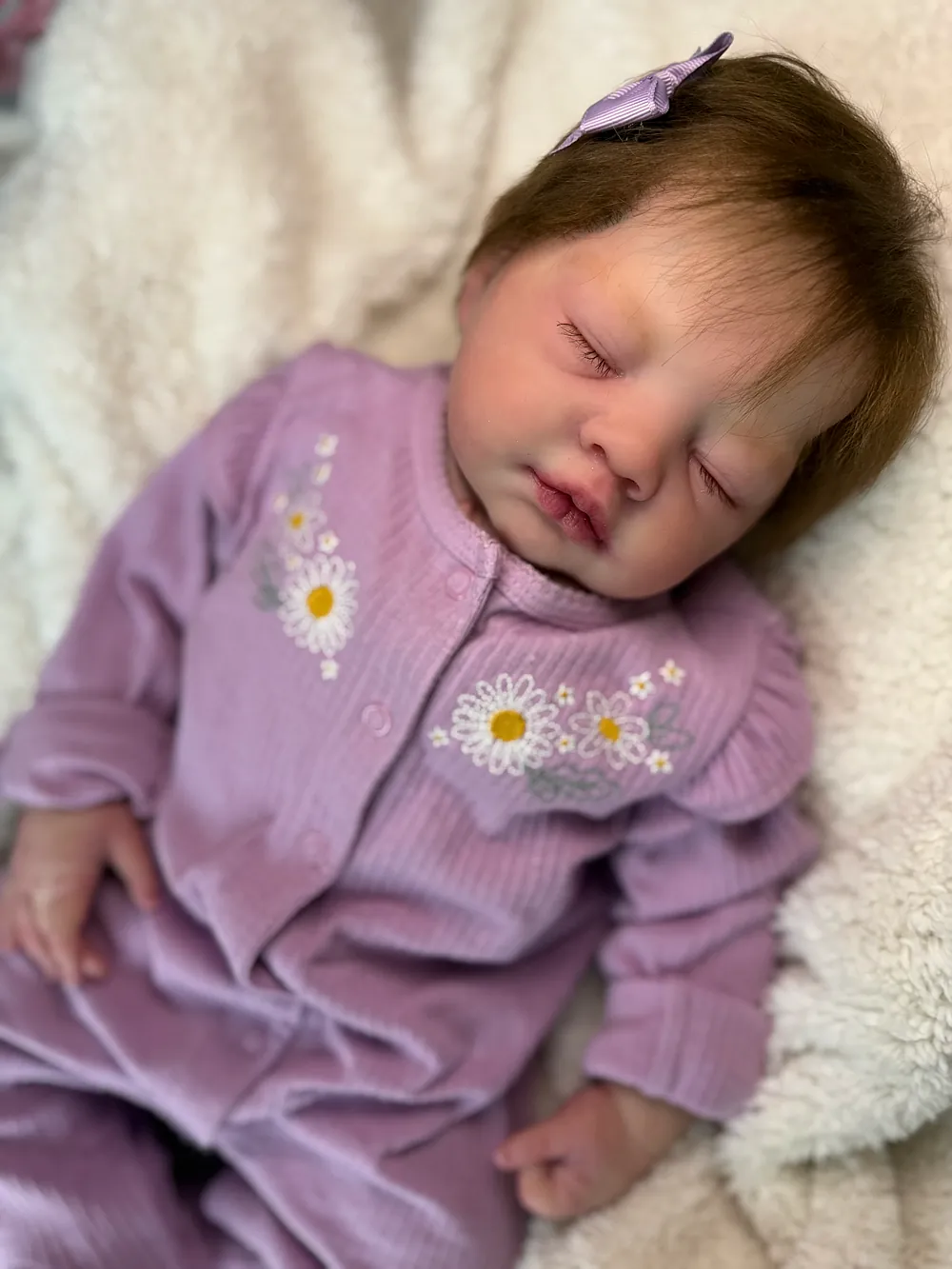
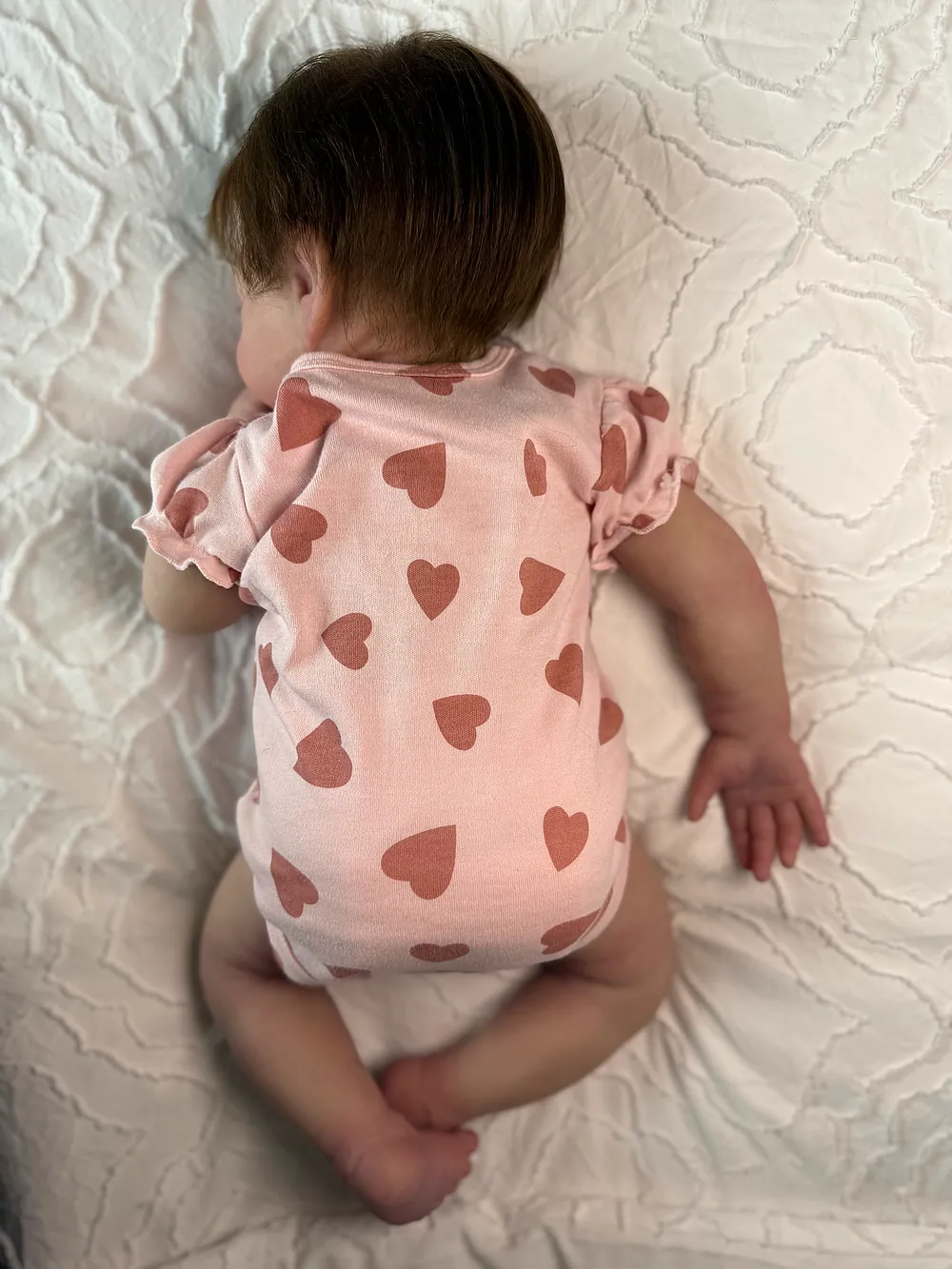
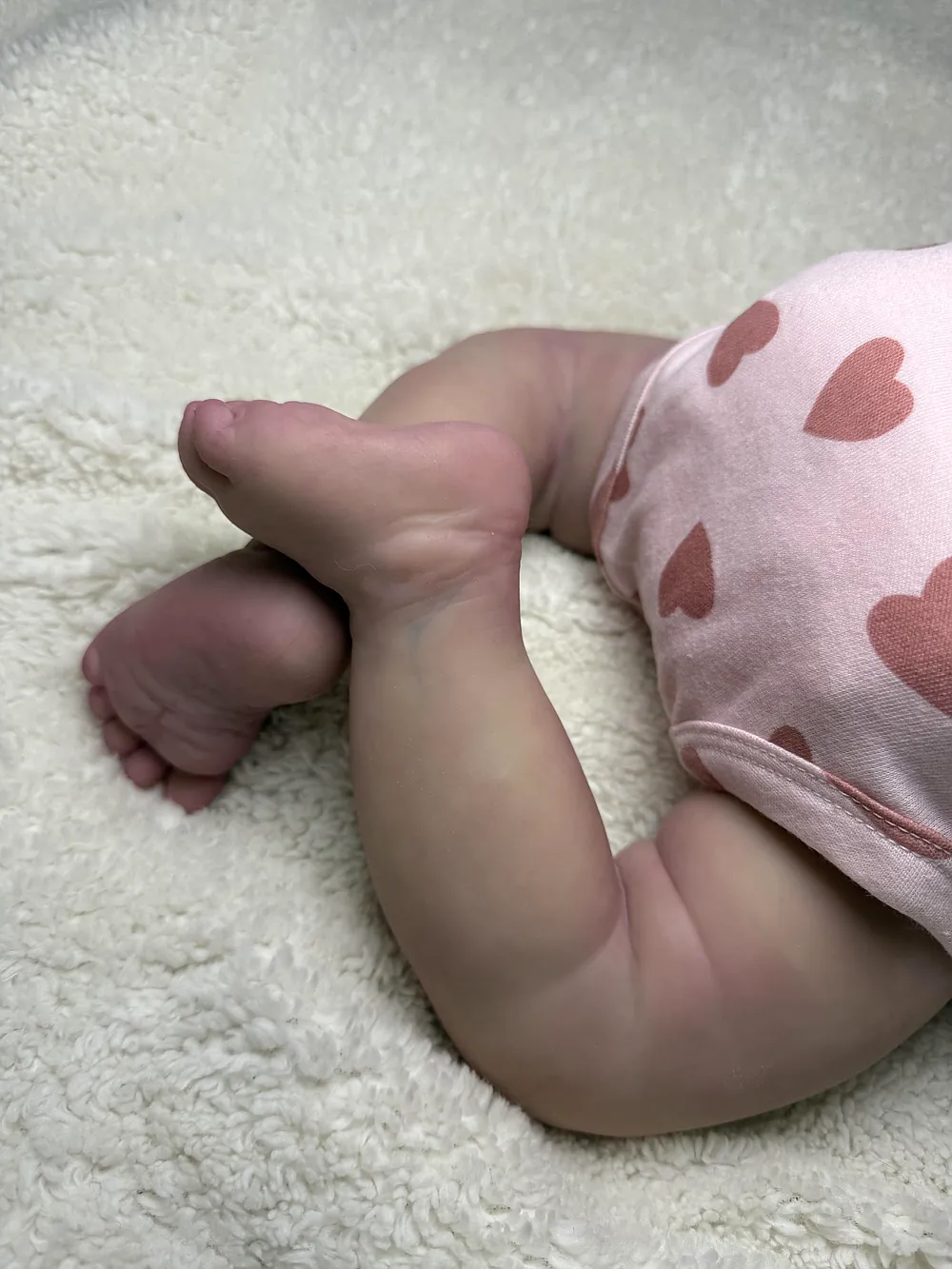
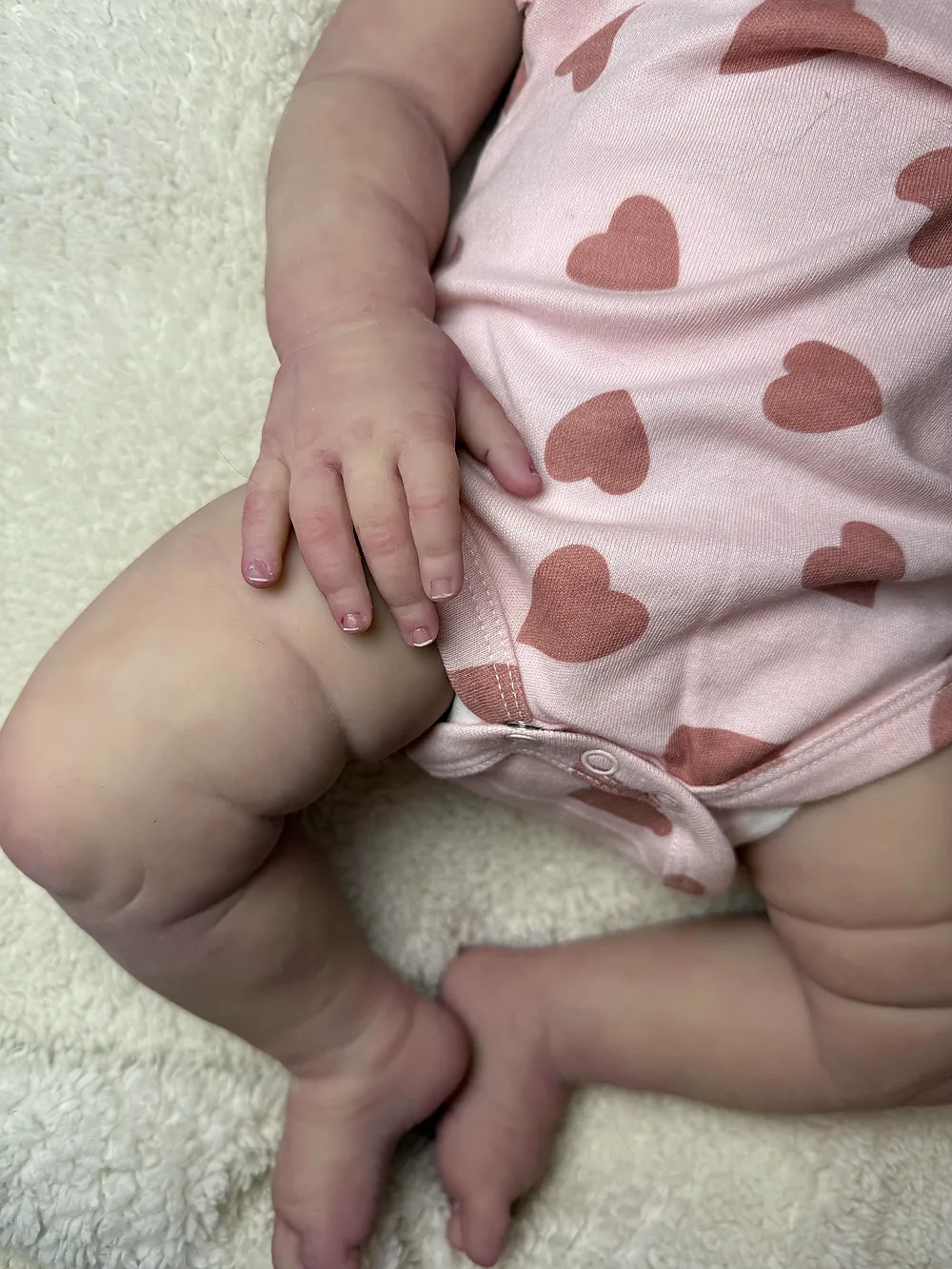
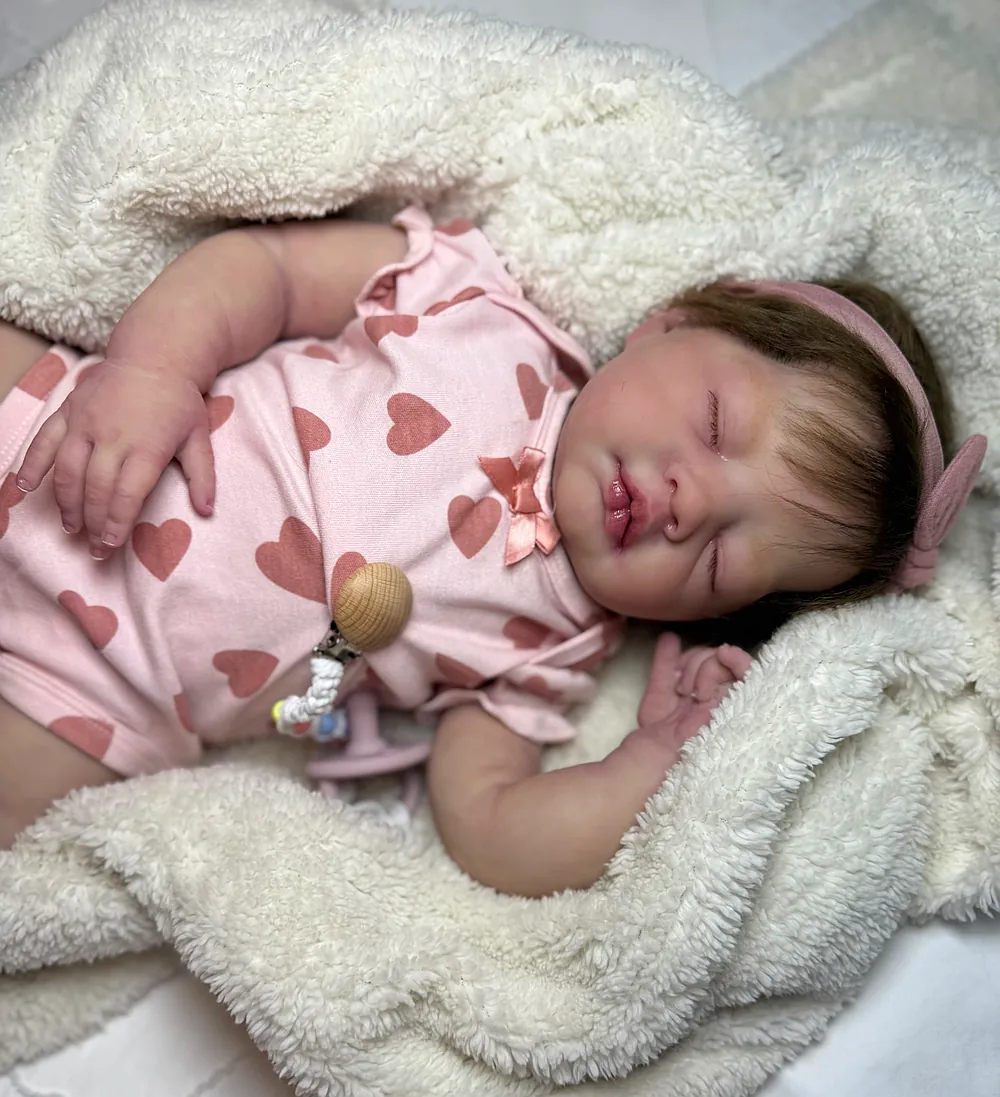
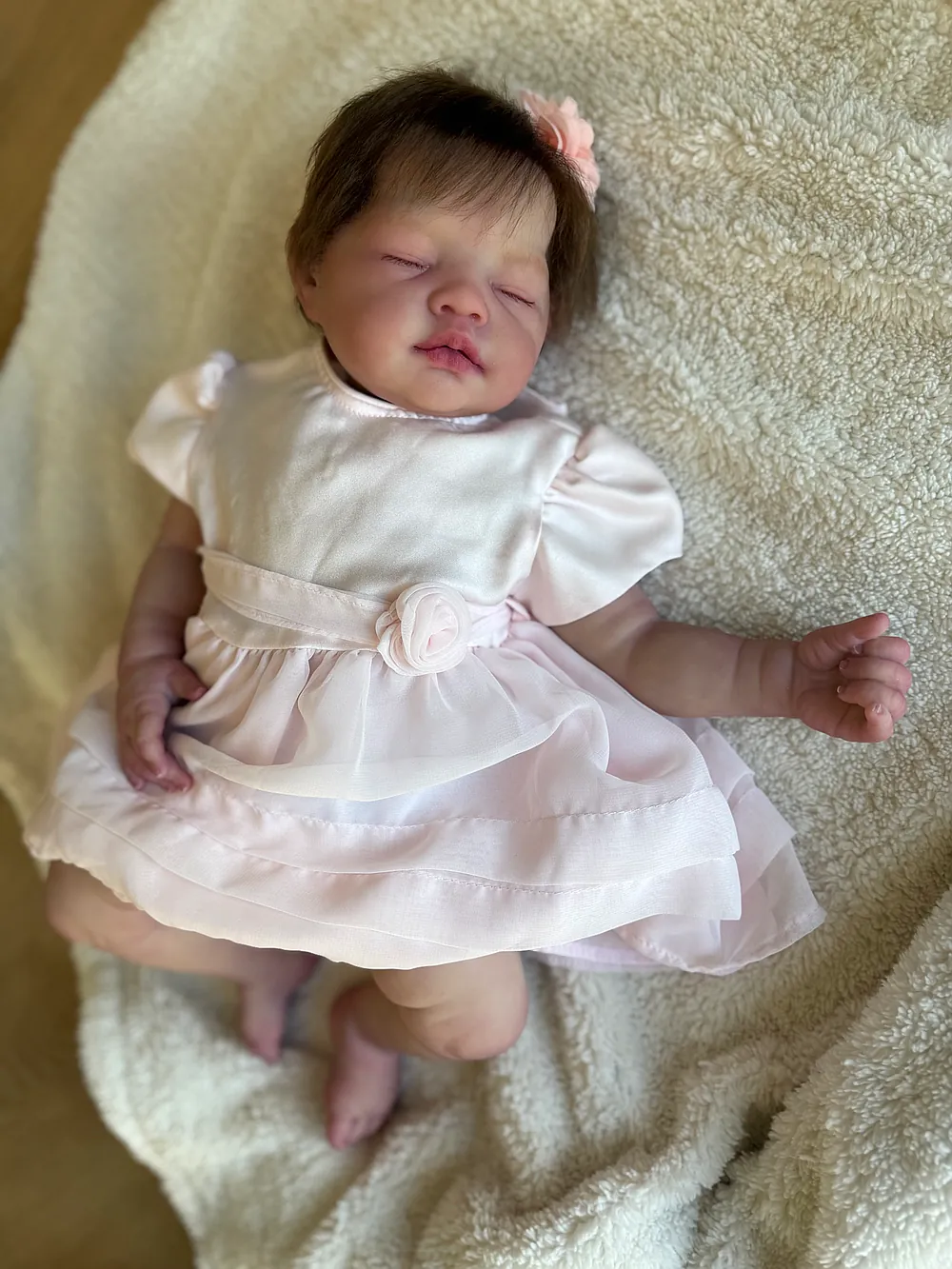
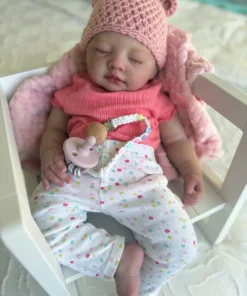
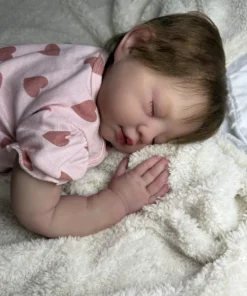
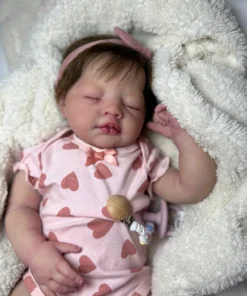
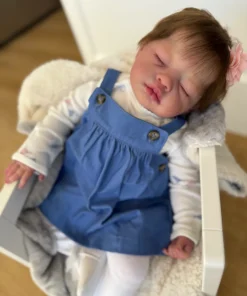
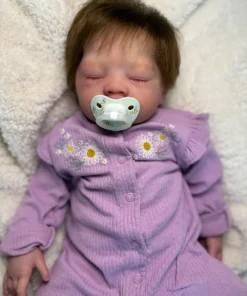
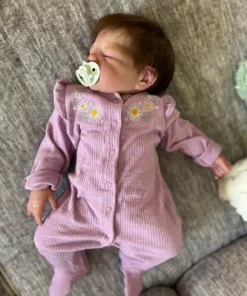
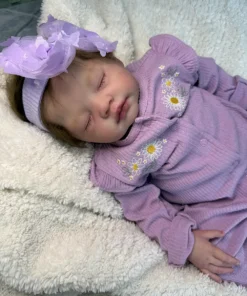
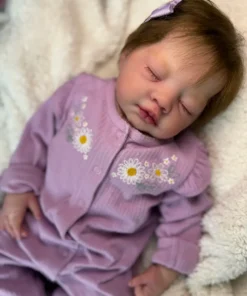
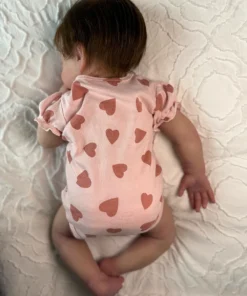
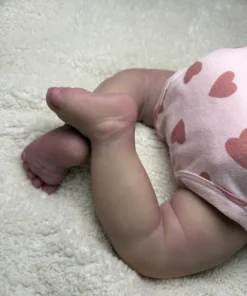
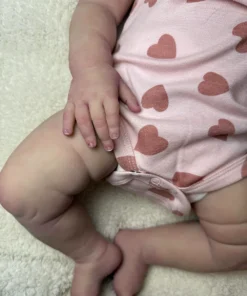
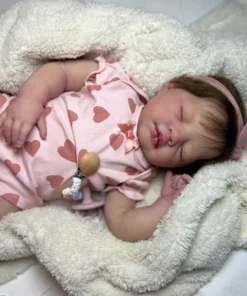
Sarah was a a partial silicone baby with full silicone arms, legs, and head. She is a larger baby and weighs close to 9 pounds, and is 21 inches long. She wears size 0-3 month clothing. Her mouth is open by me, and I created a silicone tongue, which is attached in her painted mouth. She will take a regular pacifier and nipple. This baby has a cloth weighted body, which is weighted with baby fat pellets and fine glass beads, as well as soft polyester filling.
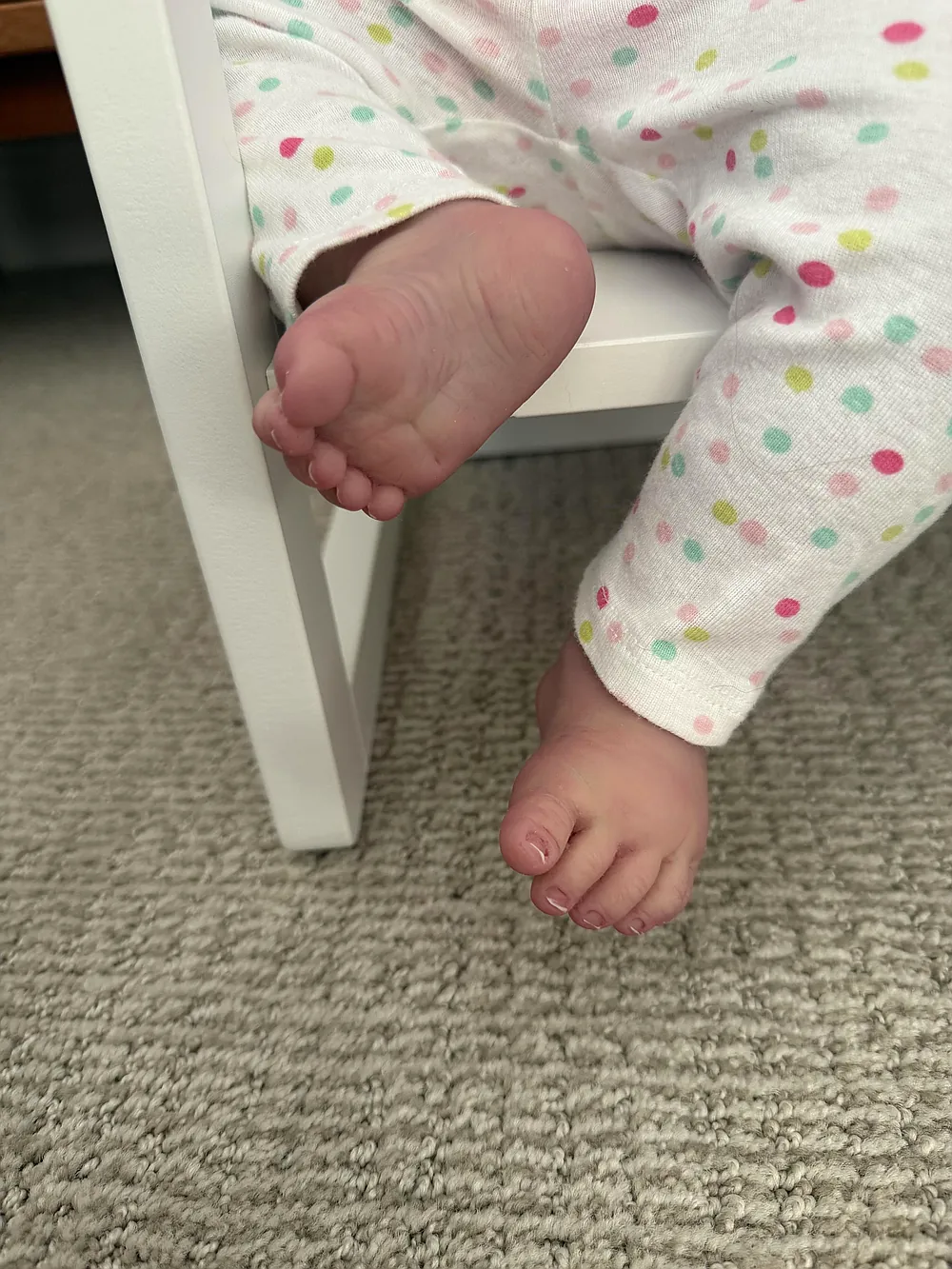
Baby is able to be a boy or a girl according to your preference. Please message me your preference after you place order. She is painted with multiple layers of silicone paint. She has some mottling and blushing, and a light Olive complexion, her finger and toe nails are painted with fine white tips. Her hair is rooted with soft premium chocolate brown mohair.
Reborn Baby Canada
Reborn Baby Canada, Reborn Baby Canada has made a substantial name for itself in the market for upscale collectibles and therapeutic art. As of 2026, the market for these incredibly lifelike dolls is still growing throughout North America because to a special combination of artistry, emotional recovery, and a committed group of “reborners”.This essay examines the artistry, the culture, and the practicalities of owning these lifelike sculptures in Canada, regardless matter whether you are an experienced collector or a novice interested in the “reborn” phenomena.
Reborn Baby Canada, A Reborn Baby: What Is It?
A “reborn” is a manufactured silicone or vinyl doll that has been painstakingly altered by an artist to most closely resemble a human infant. Dozens of layers of Genesis heat-set paints are used in this procedure, called reborning, to simulate the mottling, fine veining, and even small capillaries of newborn skin. The pastime has evolved from a specialized craft to a professional industry in Canada. To give the dolls the “heft” of a genuine baby, artists utilize premium materials such weighted glass beads and Angora mohair for hand-rooted hair. This ensures that when you take one up, your brain automatically responds as if you are holding a living baby.
Reborn Baby Canada, The Increasing Adoption in the Canadian Market
The Canadian reborn market is unique because it places a high value on regional doll fairs and local craftspeople. Canada continues to be a leading producer and collector of reborn dolls, with the global industry expected to reach over $439 million in 2026.
In order to avoid the expensive customs fees and lengthy shipping times associated with foreign transactions, many Canadians choose to purchase from domestic artists. Additionally, the emergence of online platforms has made it possible for Canadian “reborn nurseries” to preserve a close-knit local community while showcasing their work to a worldwide audience.
Benefits of Therapy and Emotional Bonding
Reborn dolls have a significant role in Canadian healthcare and wellbeing, in addition to being collectibles.
Dementia & Alzheimer’s Support: “Doll therapy” is used in many Canadian long-term care institutions to help elders feel less agitated and anxious.
Grief and Loss: These dolls can offer a concrete sense of solace and a means of processing emotional trauma for people who have lost a pregnancy or are infertile.
Anxiety Relief: It has been demonstrated that the tactile experience of holding a lifelike, weighted doll lowers cortisol levels and acts as a grounding mechanism for people who are under a lot of stress.
Purchasing Guide: Canadian Products to Consider
Differentiating between genuine artist-made dolls and mass-produced factory knockoffs is crucial if you’re trying to buy a reborn baby in Canada.
Material: Choose between silicone (softer, squishier, but more costly) and vinyl (more resilient and simpler to position).
Price Point: In Canada, authentic reborns usually cost between $150 CAD for entry-level models and more than $1,000 CAD for “prototypes” created by skilled artists.
The Artist’s Reputation: To make sure the artist’s work corresponds with their photographs, look for “Box Openings” on social media or reviews in Canadian doll communities.
Conclusion: More Than Just a Doll
Reborn Baby Canada represents a beautiful intersection of art and empathy. As the technology behind 3D printing and silicone molding advances, these dolls are becoming more realistic than ever. For the Canadian community, it isn’t just about owning a toy; it’s about appreciating a labor of love that brings comfort, joy, and a touch of hyper-real magic into the home.
This documentary about the world of reborn babies offers a deep dive into the emotional stories of collectors and the artists who create these realistic dolls to help people heal.
Related products
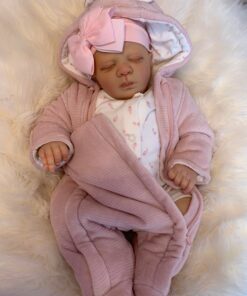
Girl Reborn Dolls
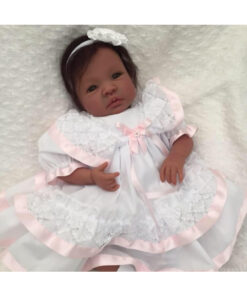
Girl Reborn Dolls
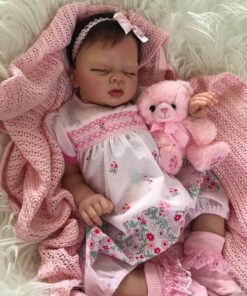
Girl Reborn Dolls
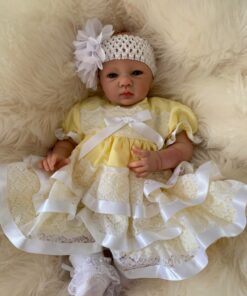
Girl Reborn Dolls
Girl Reborn Dolls
Girl Reborn Dolls
Girl Reborn Dolls
Girl Reborn Dolls