
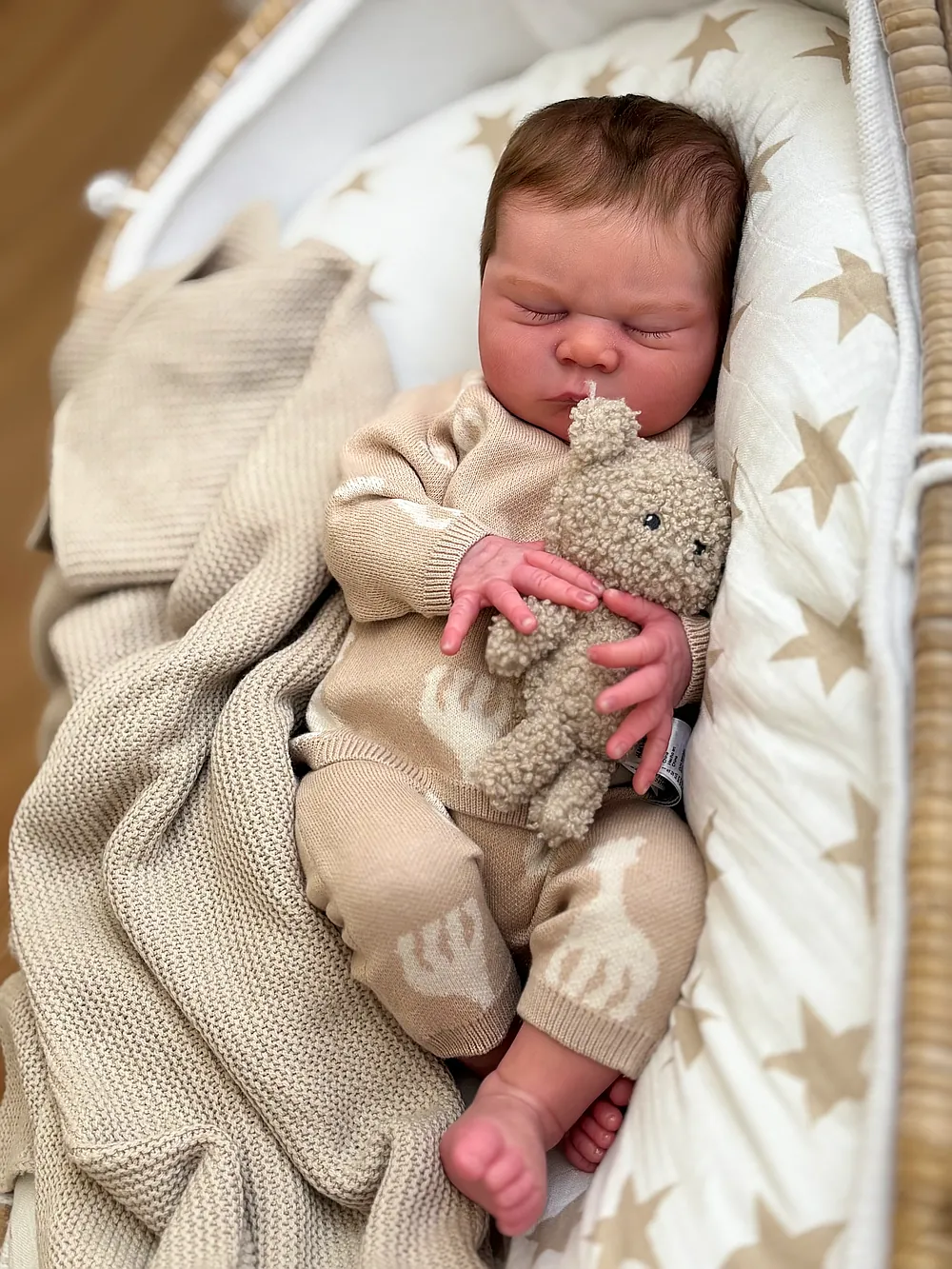
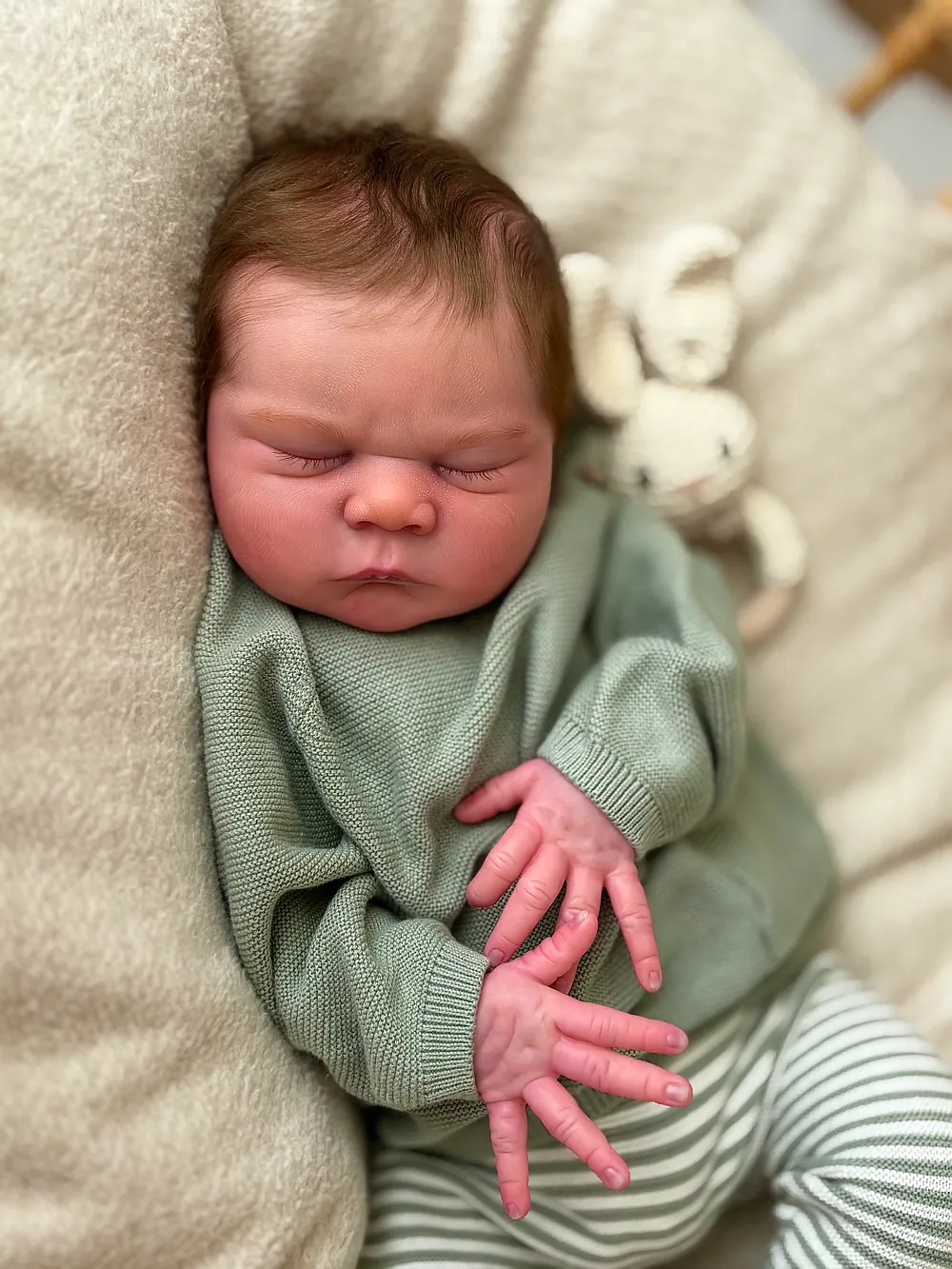
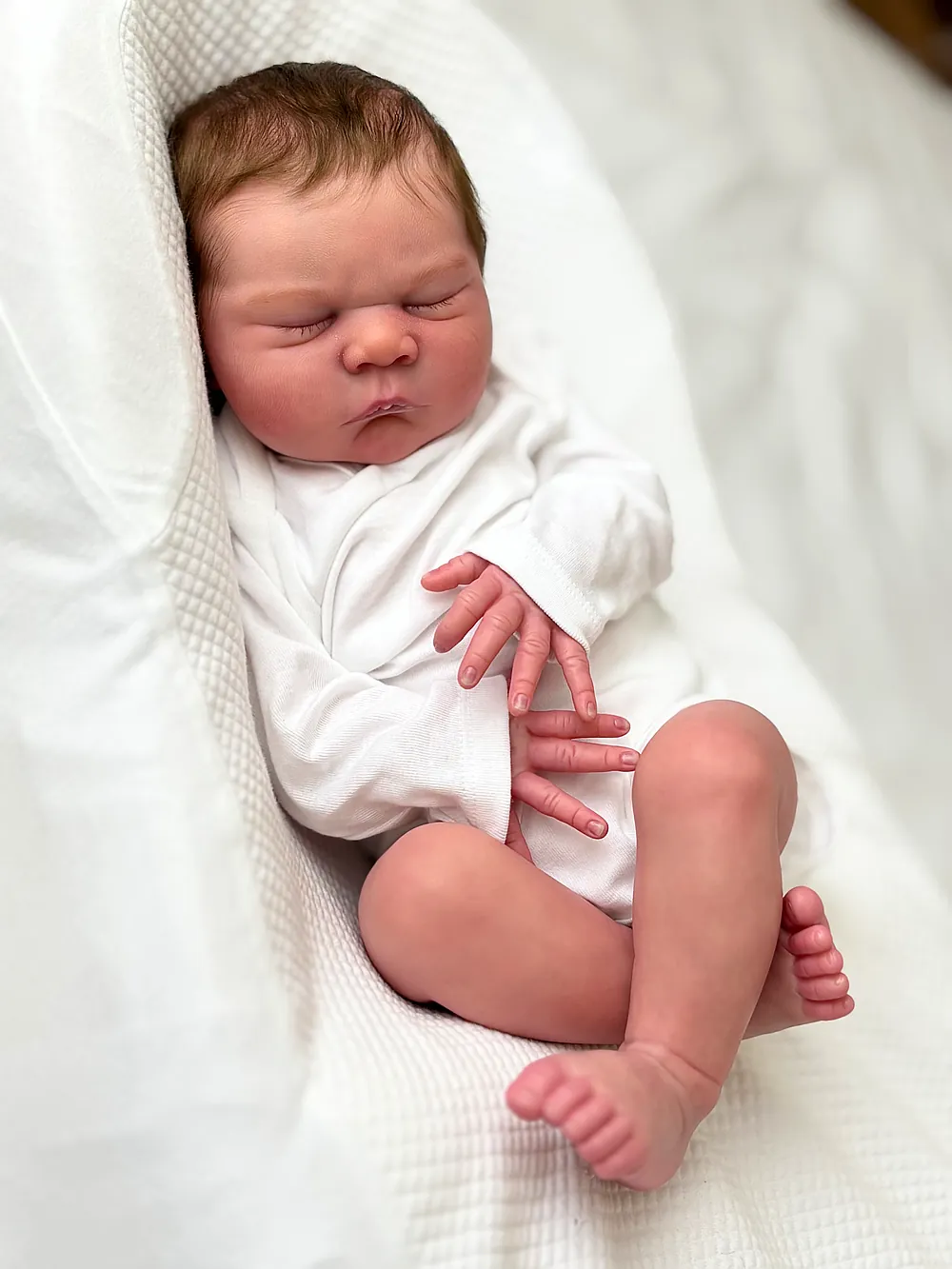
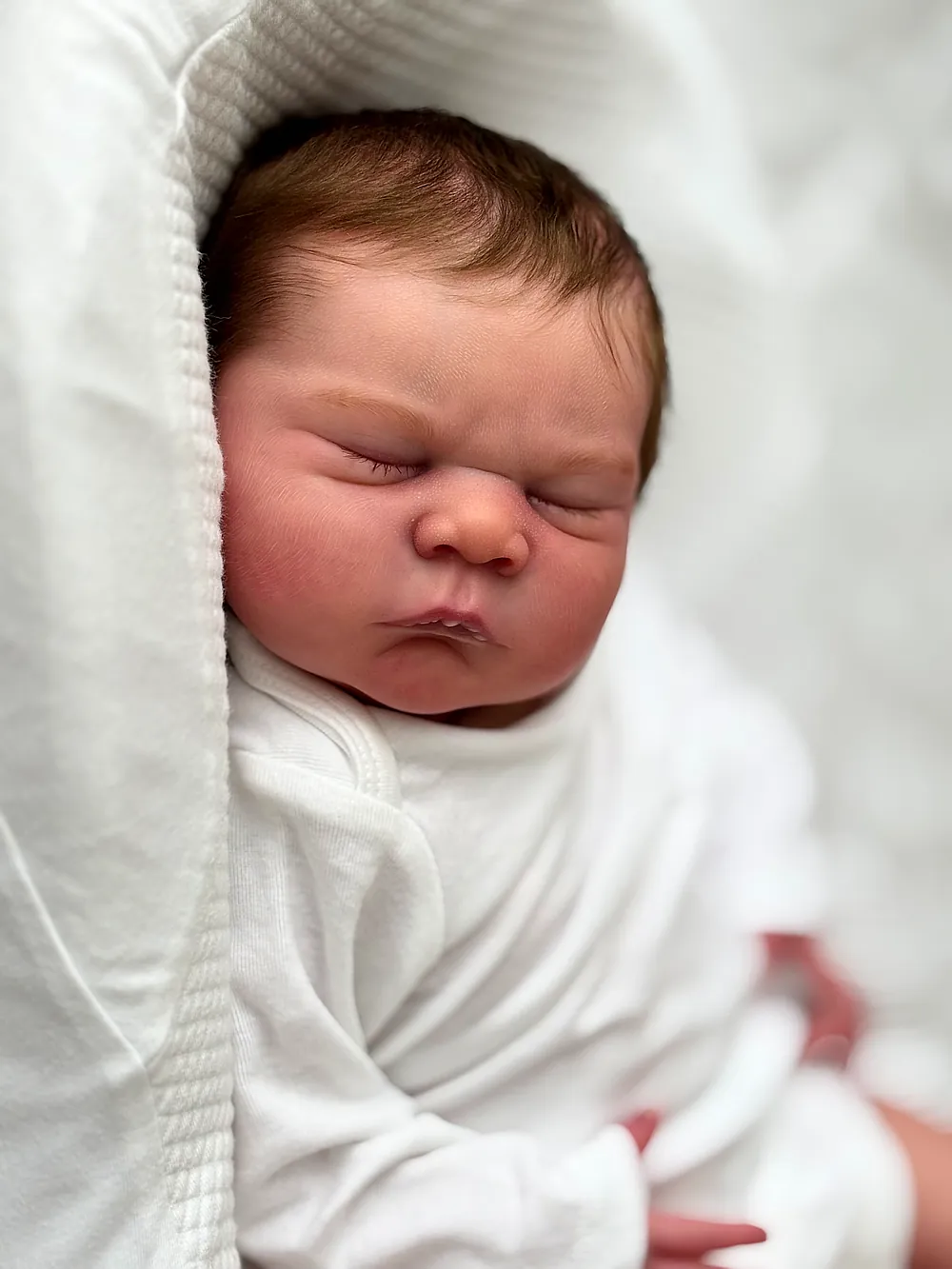
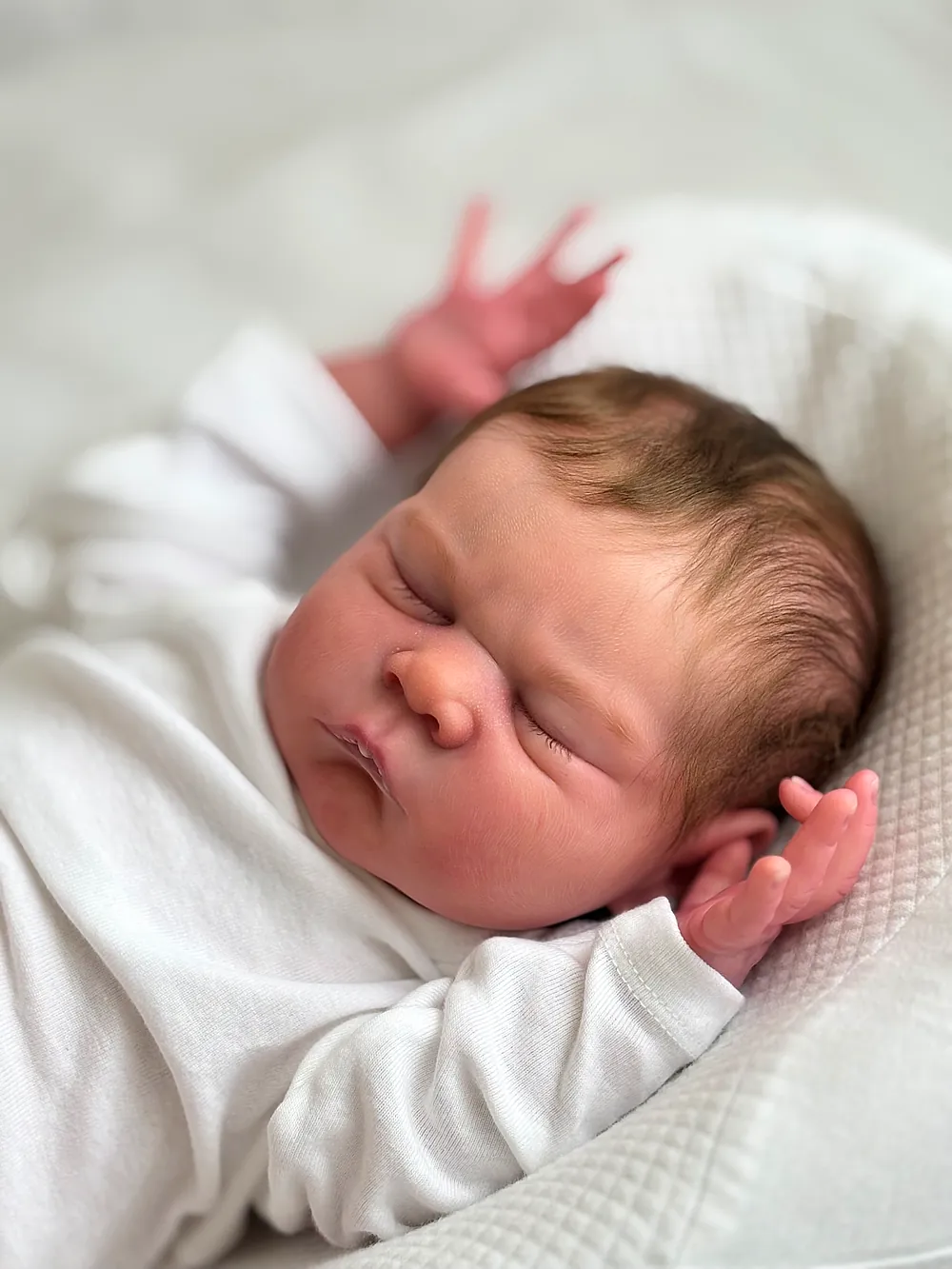
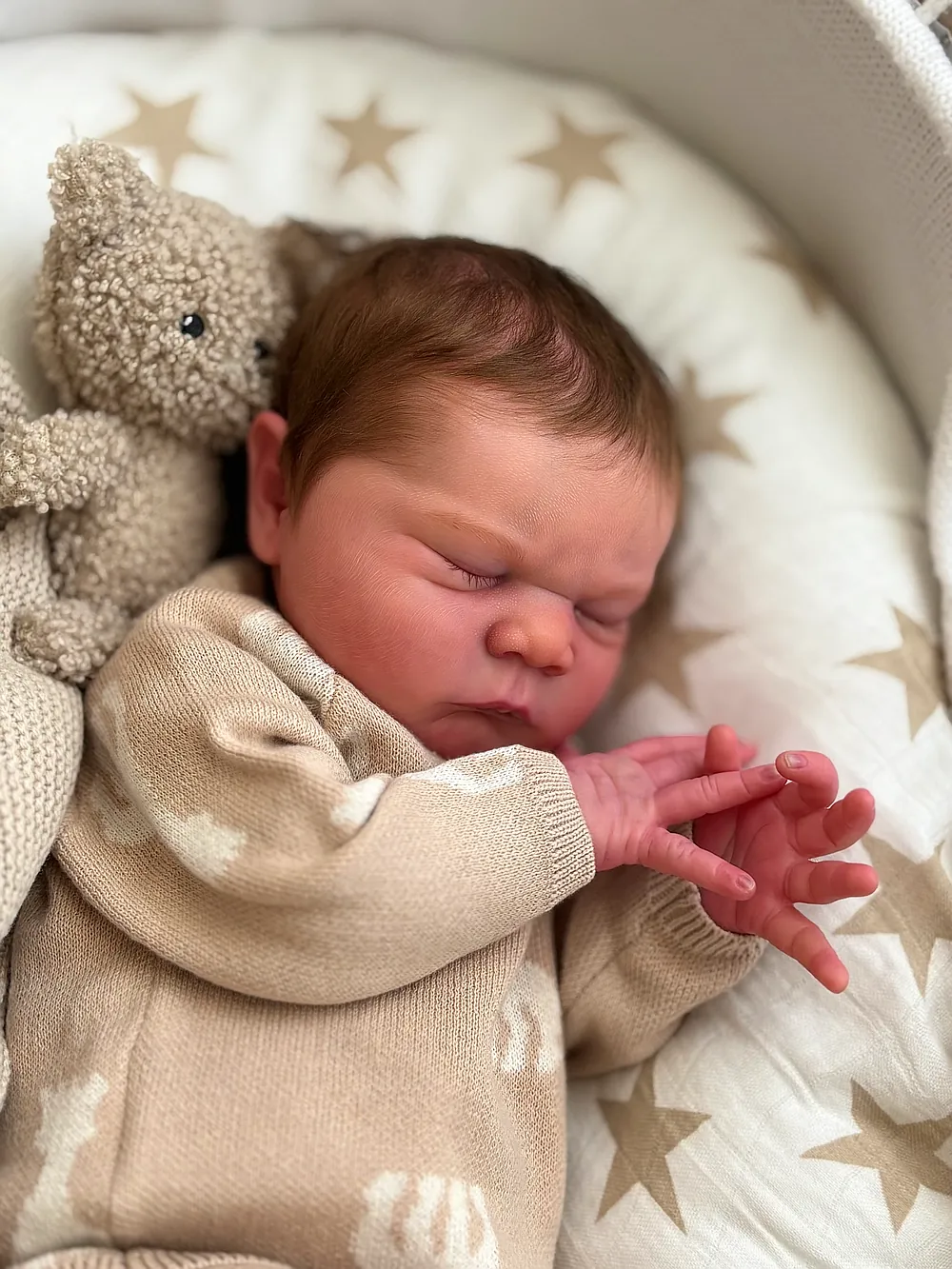
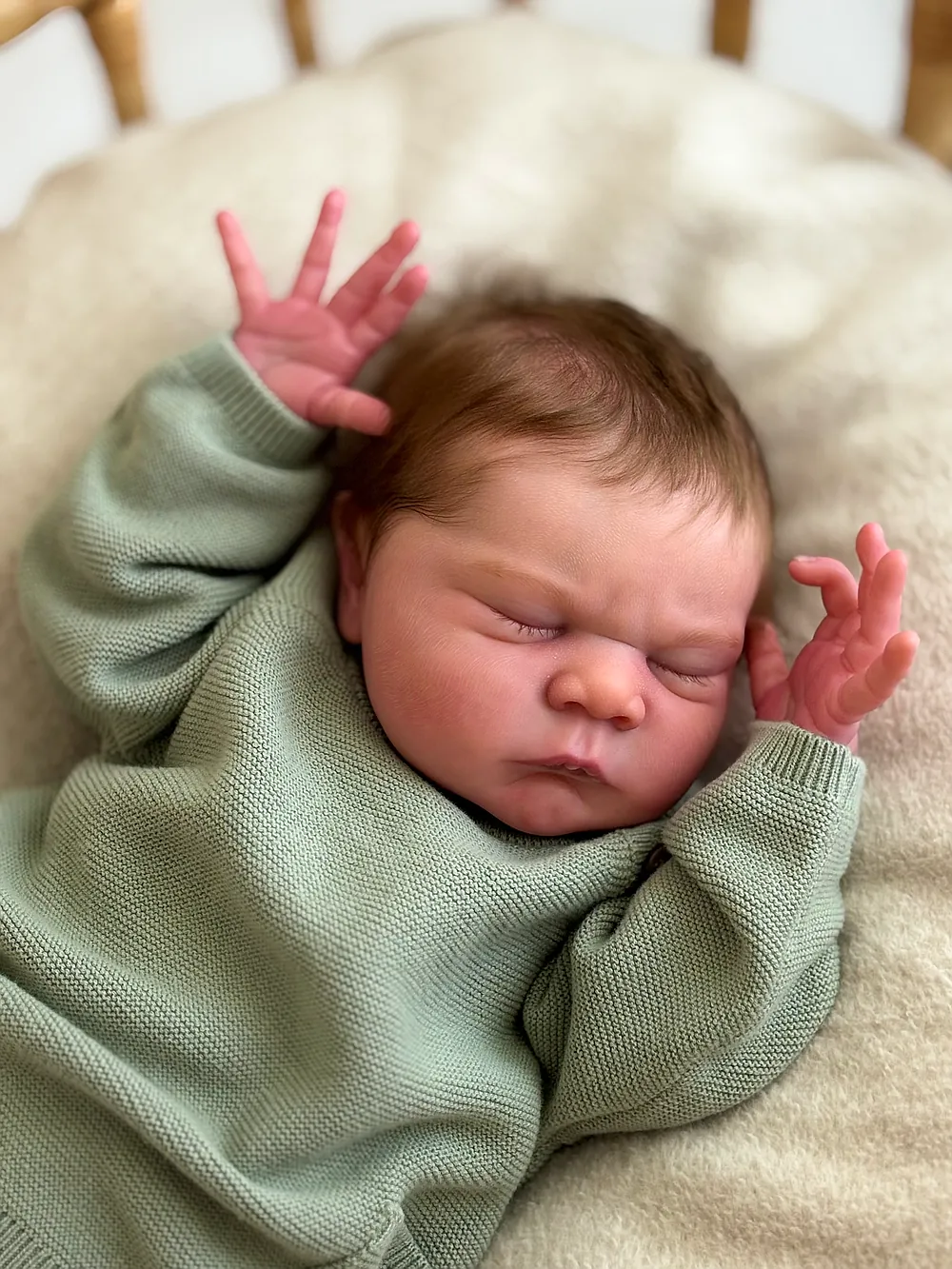
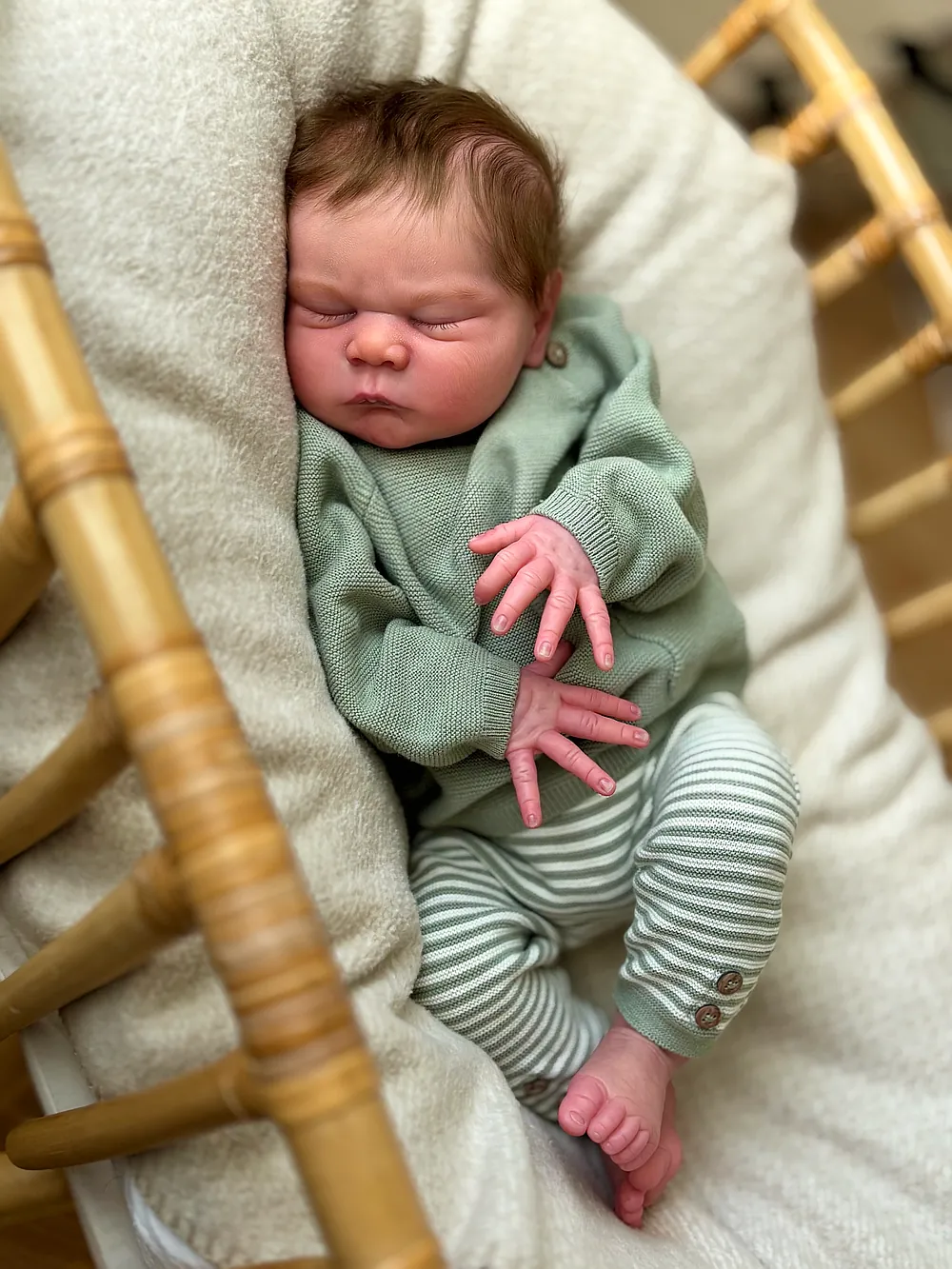
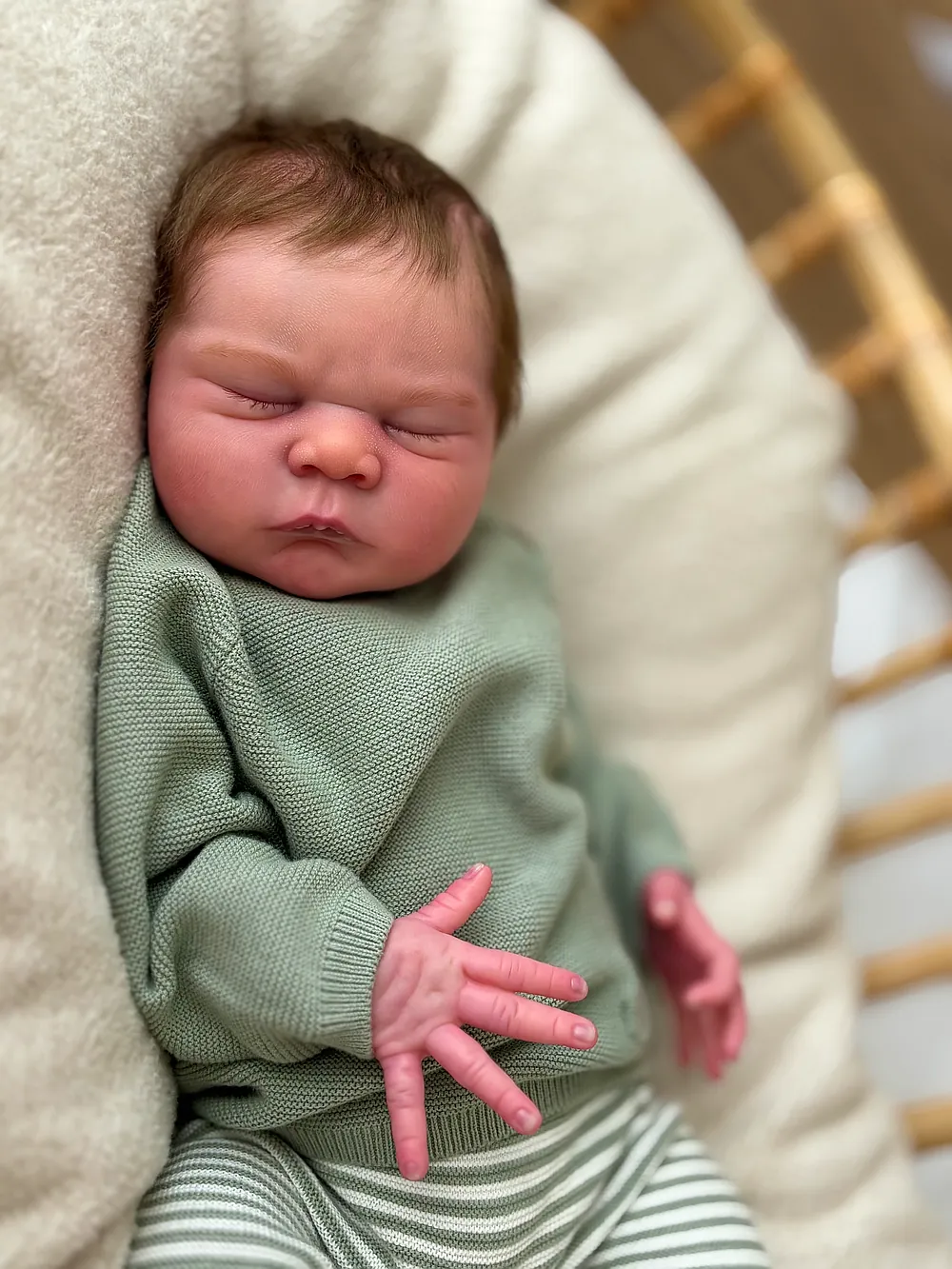
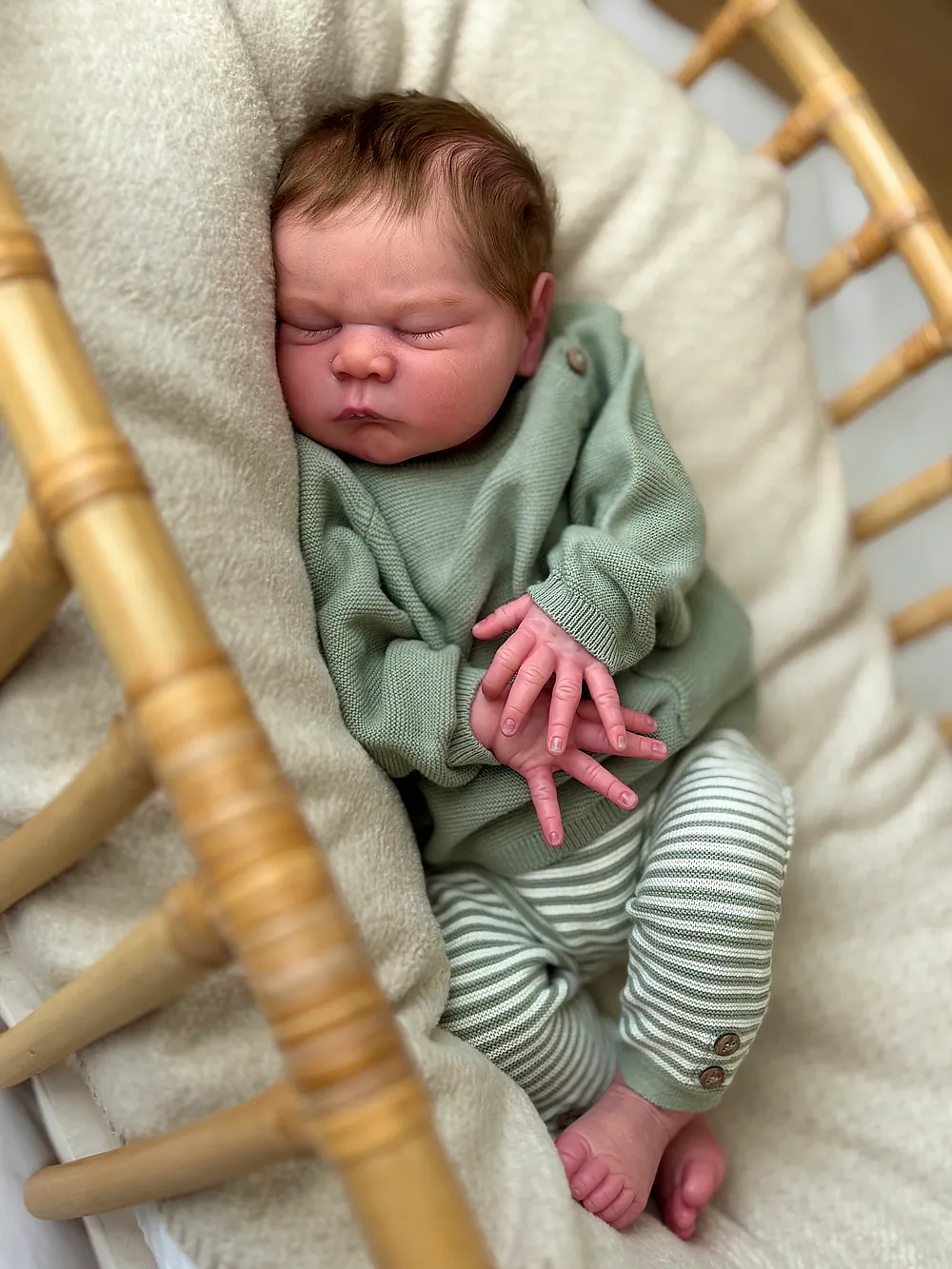
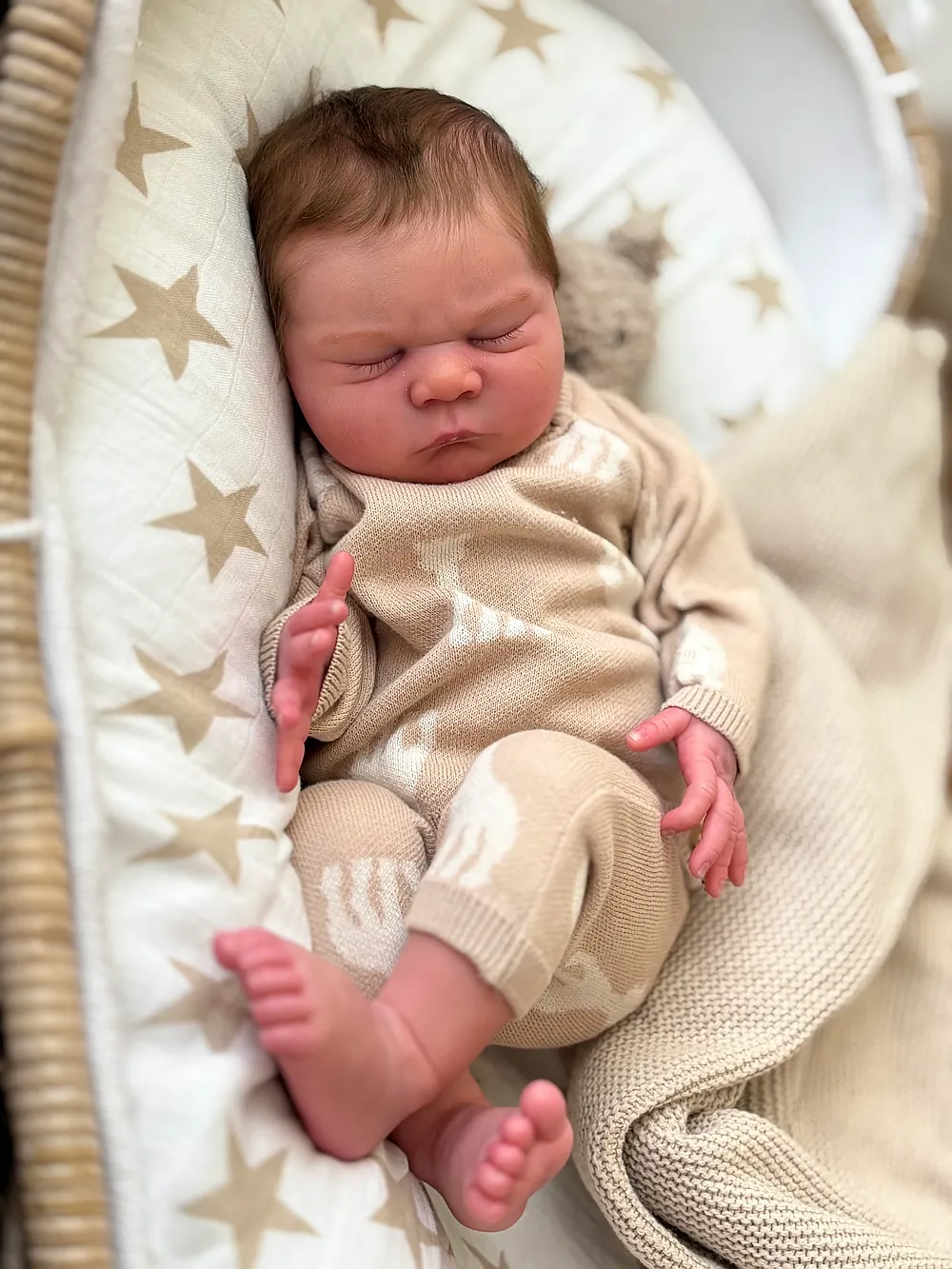
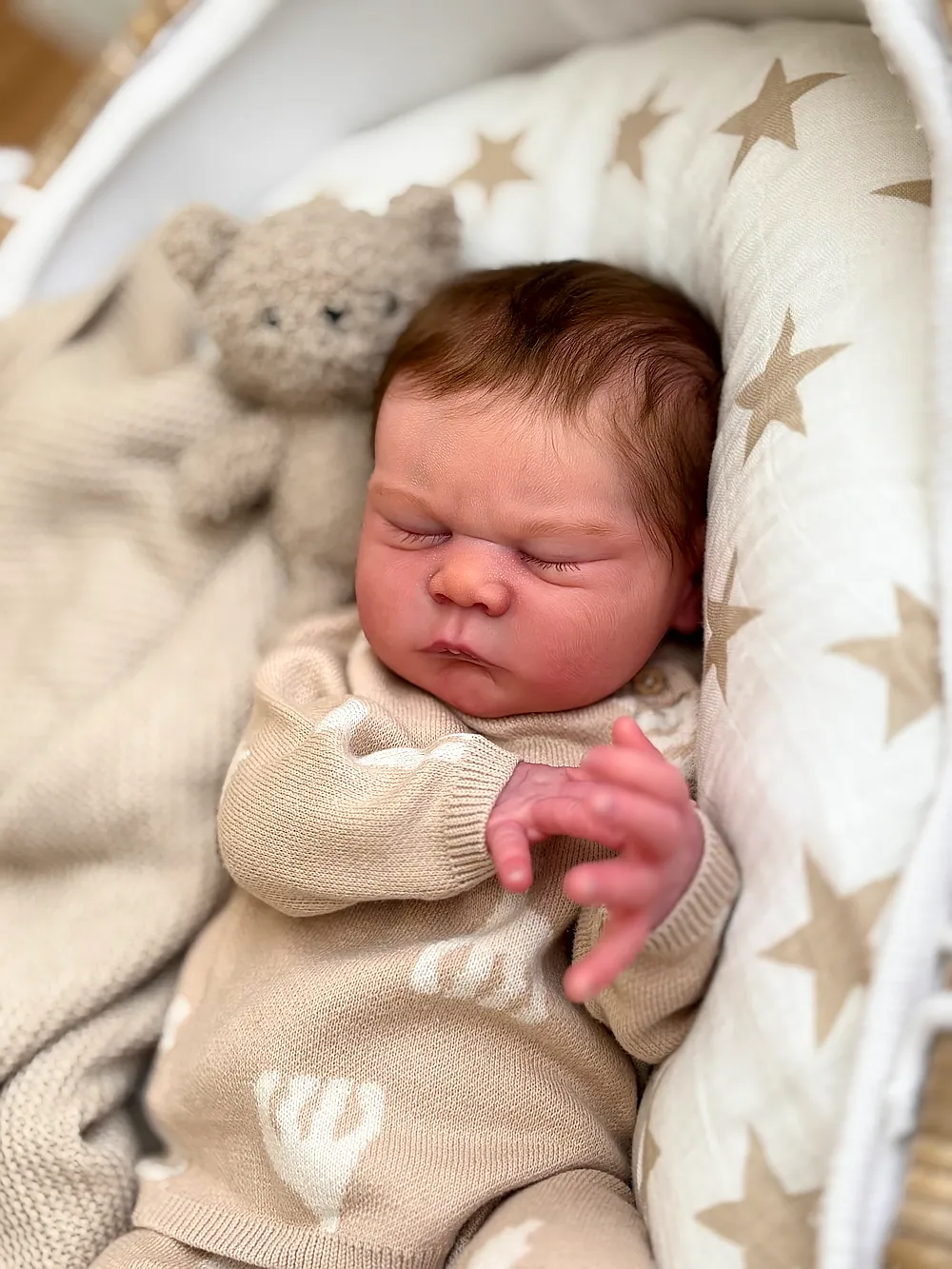
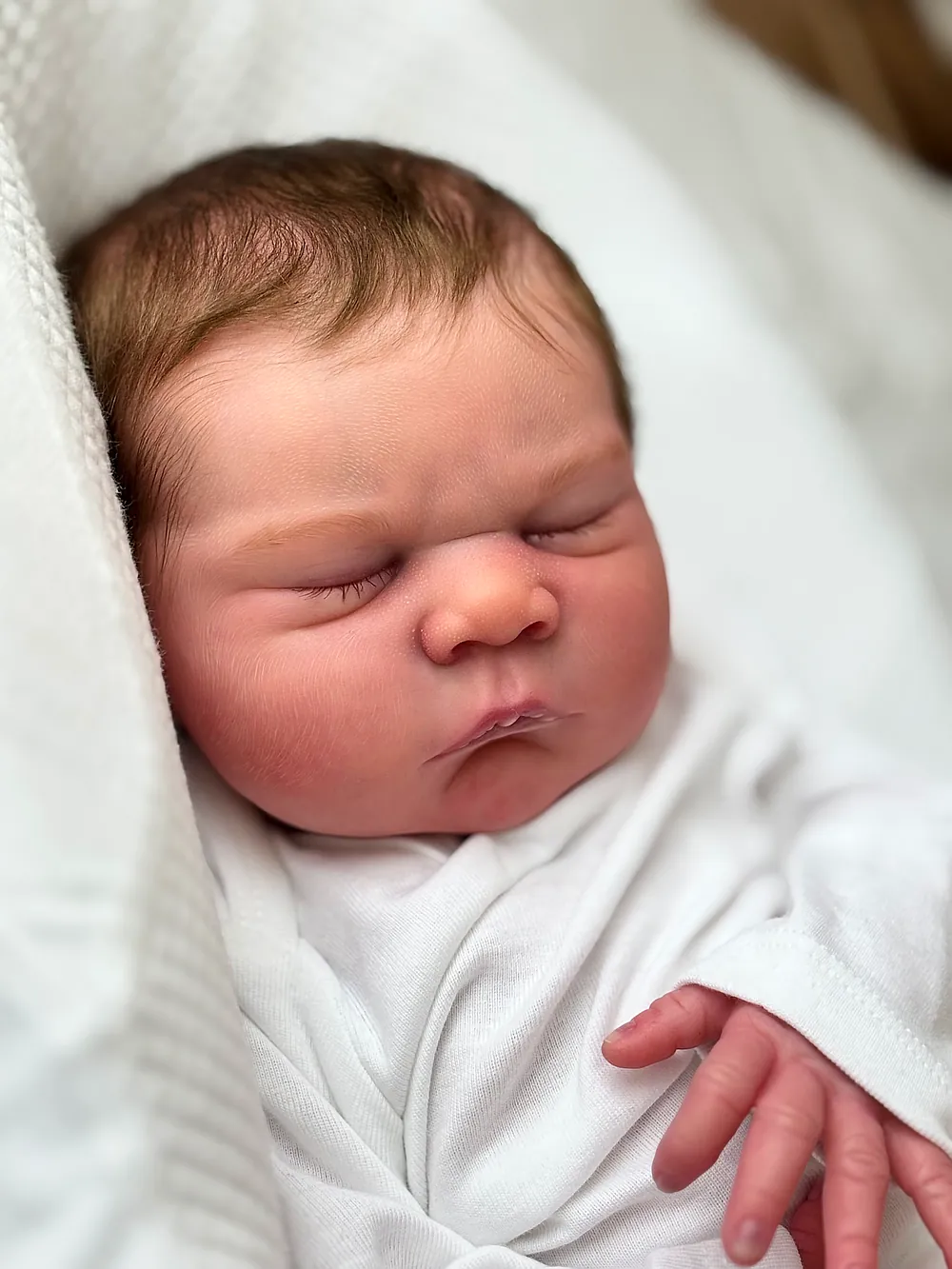
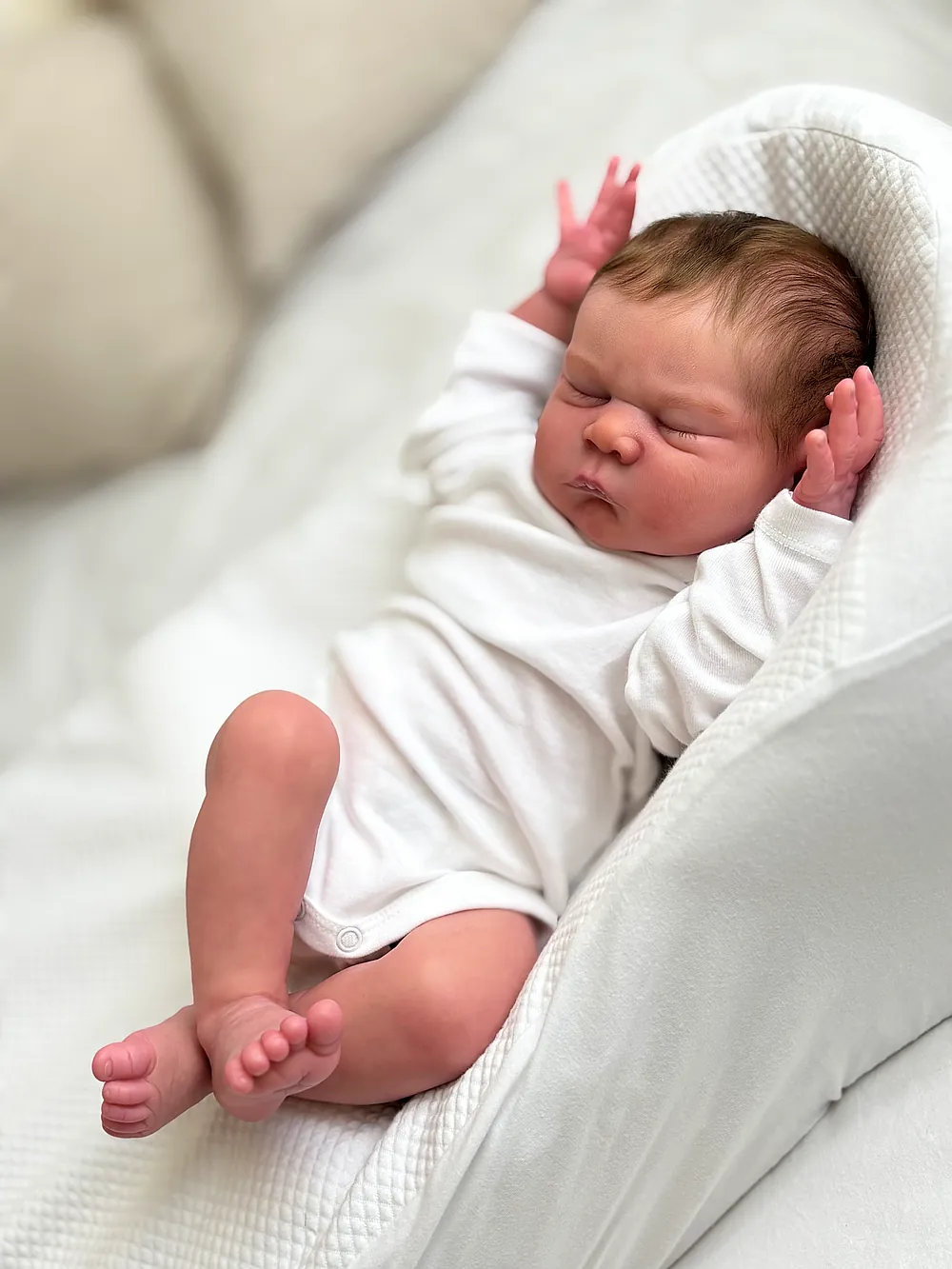
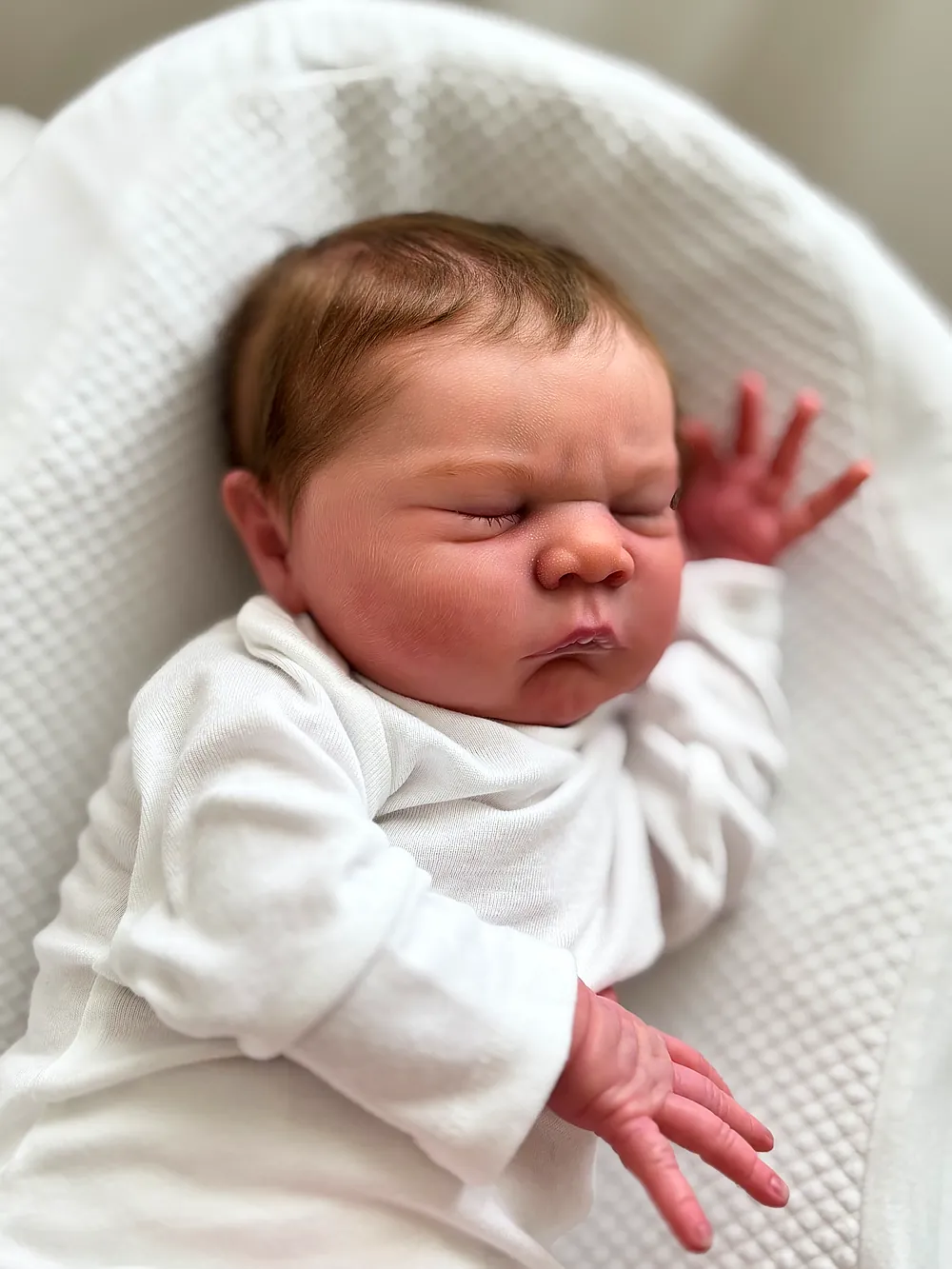
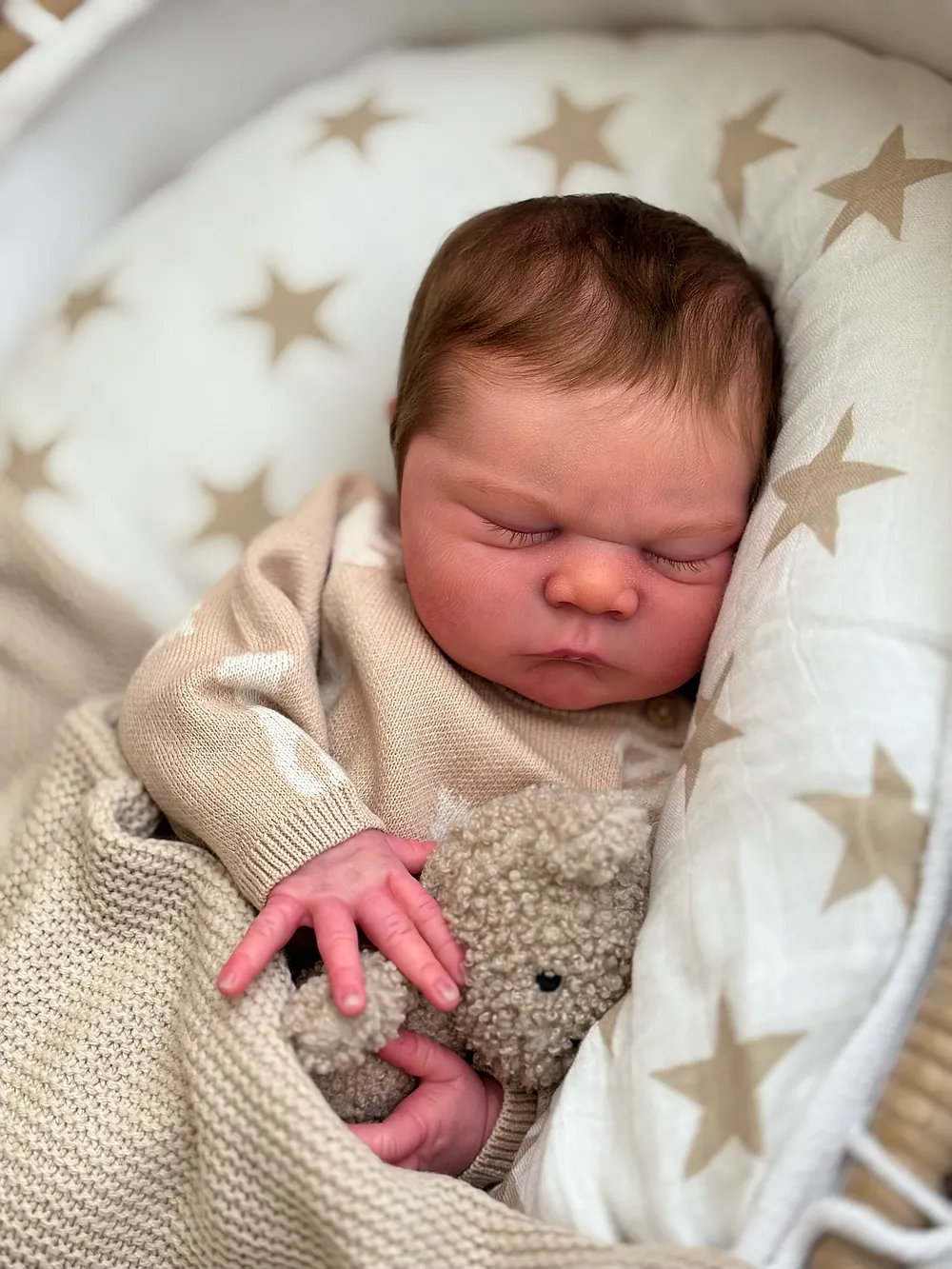
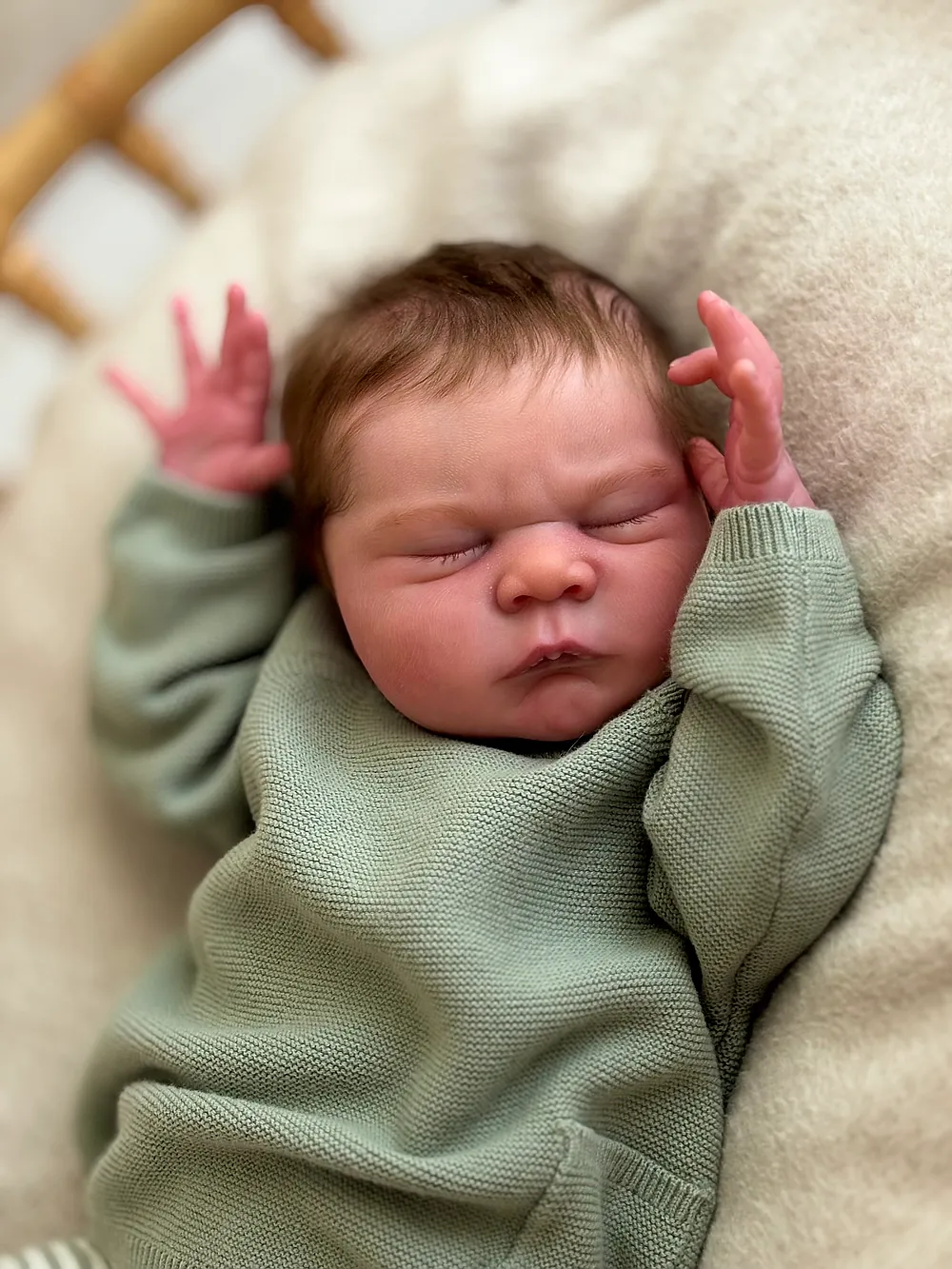
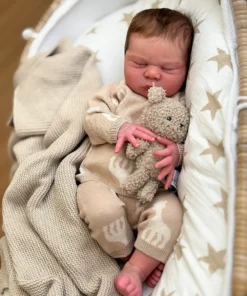
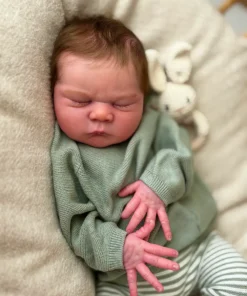
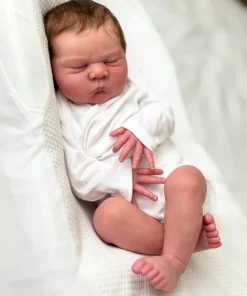
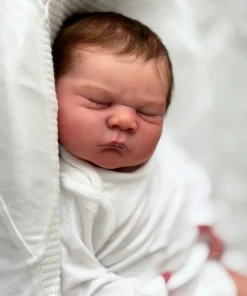
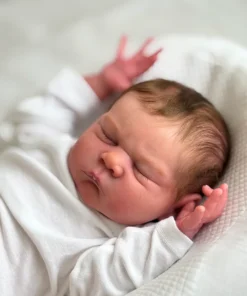
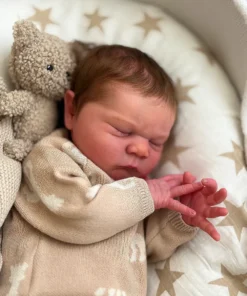
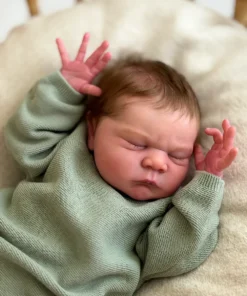
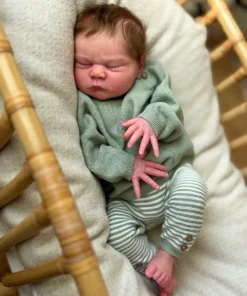
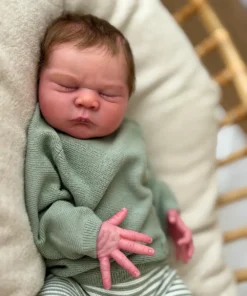
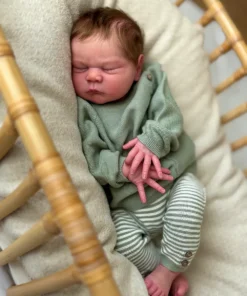
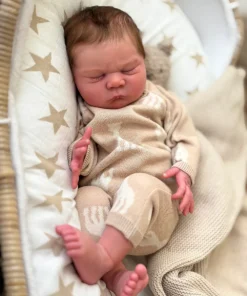
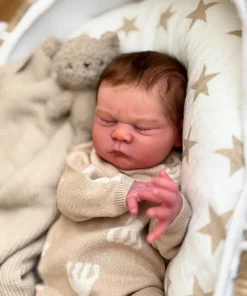
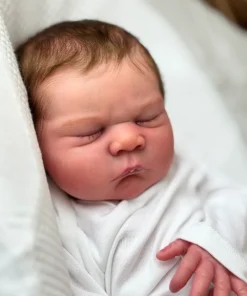
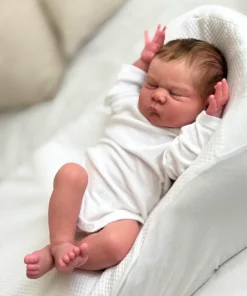
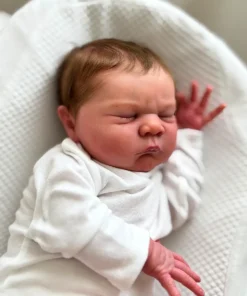
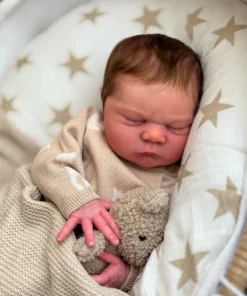
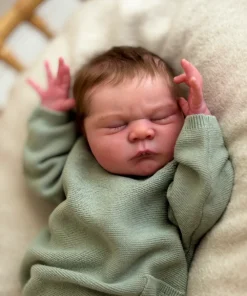
Ravy
£2,500.00
Ravy Details
Head Material: Vinyl
Body Material: Cloth
Limb Material: Vinyl
Age: Newborn (0-3 mo)
Gender: Boy
Arms: Full Length
Legs: Full Length
Edition: Limited Edition (LE)
Eyes: Asleep
Lashes: Rooted
Hair: Rooted
Hair Material: Mohair
Paint: Heat Set Paint
Weighting: Fine Glass Beads
Weighting: Luxury Fiberfill
Skin Color: Mottled
Ethnicity: White / Caucasian
Pacifier: Included
Pacifier Type: Magnetic Pacifier
Smoke Free Environment: Yes
Pet Free Environment: Yes
Category: Reborn Baby->Fully Reborned
Seller: Is the artist
Purchased From: from Once so real in Germany
Availability: Ready to be shipped
| Kit | Ravy |
| Length | 21½” (54.61 cm) |
| Weight | 2400g |
| COA | Yes |
Ravy is a vinyl art doll with a cloth body and full 4/4 limbs.
This doll is not a toy and is not suitable for children. It must be handled with great care.
Ravy has been painted like a living newborn baby with many fine layers of Genesis and BC paints. His skin has been sealed with BC Matte Varnish 3D for a softly textured, realistic finish.
He has mono-rooted hair and eyelashes with beautiful fine mohair/alpaca. His baby nails and tiny details are finely painted, the lips and nose are lightly moistened, and the eyebrows are delicately painted/rooted.
Birthday: April 26, 2026
Length: 21.5 inches / approx. 55 cm
Weight: 2400 g
Included in the box:
3 outfits
socks, bodysuit and diapers
magnetic pacifier and pacifier clip
baby nest
blanket
birth certificate and kit certificate
baby soft toy
Decorations shown in the pictures are not included.
A Reborn Doll Baby
A reborn doll baby, The world of reborn dolls is an intriguing nexus of emotional treatment, exquisite art, and a committed international society. These dolls are more than just toys; they are incredibly lifelike sculptures made to resemble the weight, look, and even “feel” of a genuine baby. Reborns have developed into an important cultural and artistic movement since they first appeared in the 1990s.
A Reborn Doll Baby, The Craft of Reborning: A Careful Method
Often referred to as “reborning,” the process of creating a reborn doll is a labor of love that can take anywhere from 40 to more than 100 hours. It starts with a doll kit, usually composed of medical-grade silicone or soft vinyl. In order to create a realistic skin tone with mottling, faint veins, and even tiny capillaries, artists, referred to as “reborners,” apply dozens of thin layers of heat-set or air-dry paints. The following further improves the realism:Rooting: To replicate the delicate hair of a newborn, fine mohair or alpaca hair is put into the scalp one strand at a time using a specialist needle.
Weighting: To give the doll the “floppy” head and substantial feel of a real infant, the body is stuffed with glass beads or poly-pellets.
Finishing Touches: The eerie realism is enhanced by manicured nails, “wet”-looking noses, and even artificial tears or saliva.
A Reborn Doll Baby, “Doll Therapy” and its therapeutic benefits
Reborn dolls are important for mental health and elder care, even if many people collect them for their aesthetic value. In various clinical settings throughout North America and Europe in 2026, doll therapy is generally acknowledged.
Holding a weighted reborn doll can help people with dementia or Alzheimer’s feel less agitated, give them a sense of purpose, and bring back happy memories of their early parenthood. Additionally, women who have gone through the anguish of infertility or child loss often use them. For people with anxiety or PTSD, “cuddling” a doll might cause the production of oxytocin, the “bonding hormone,” which has a relaxing, grounding impact.
Getting Around the Collector Community
Social media, YouTube “box openings,” and international doll events are the main means of organizing the large and encouraging reborn community. Collectors in the US, UK, and Canada either display the dolls as valuable works of art or engage in “roleplay”—treating the doll like a real baby.
But there are difficulties with the pastime. Customers are being cautioned more and more about:
Scam Websites: To sell inexpensive, factory-made plastic knockoffs, fraudulent websites frequently exploit stolen artist images.
Counterfeit Kits: To guarantee that original sculptors are compensated for their designs, ethical collectors give preference to “authentic” kits with Certificates of Authenticity.
Value and Investment
The cost of reborn dolls varies greatly. While “solid silicone” infants, which are anatomically perfect and bathable, can cost anywhere from £1,500 to £5,000, a high-quality vinyl rebirth by a respectable artist usually starts at around £250 or $400 CAD. They can increase in value because many are limited editions or one-of-a-kind (OOAK), which makes them a special investment for the serious art collector.
Related products
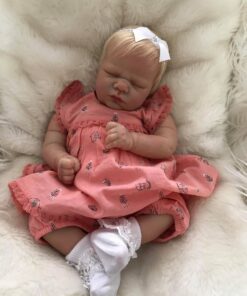
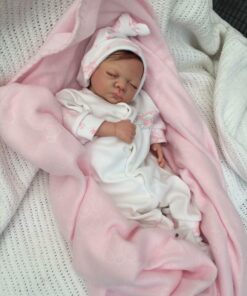
Girl Reborn Dolls
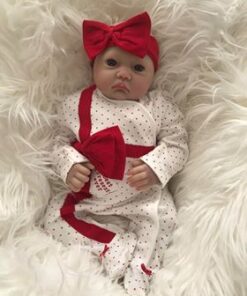
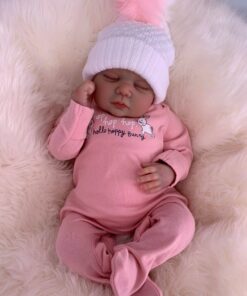
Girl Reborn Dolls
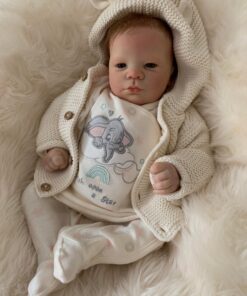
Boy Reborn Dolls
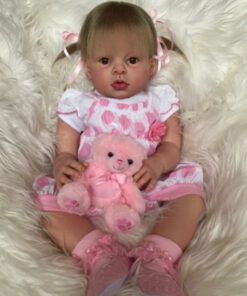
Girl Reborn Dolls
REBORN DOLL SALE
Girl Reborn Dolls
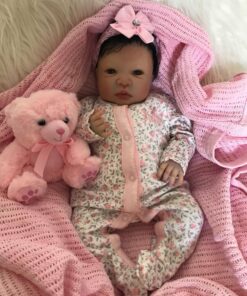
Open Eyes Reborn Dolls
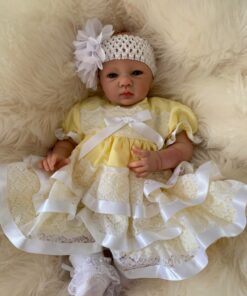
Girl Reborn Dolls